

Top Popular Crypto Exchanges in 2026
The rapid growth of cryptocurrencies has led to the development of many trading platforms where users can buy, sell, and manage digital assets. Cryptocurrency exchanges play a central role in the crypto ecosystem because they provide liquidity, trading tools, and access to a wide range of digital currencies. Some exchanges are designed for beginners with simple interfaces, while others offer advanced features for professional traders. Among the most widely recognized platforms today are Coinbase, Binance, Bybit, and Crypto.com.
Coinbase
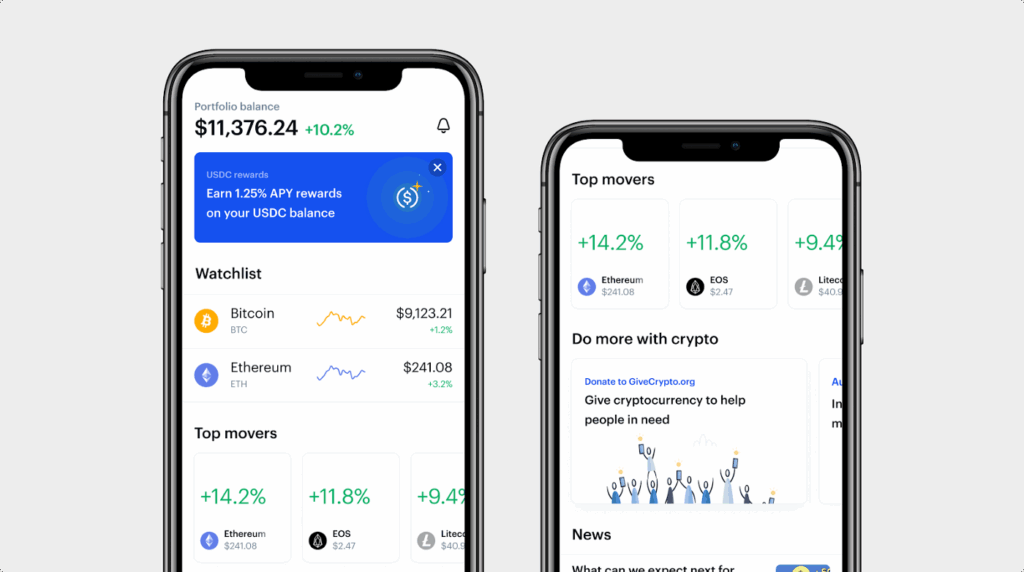
Coinbase has gained a reputation for being one of the most compliant and regulated cryptocurrency exchanges, especially in the United States. Founded in 2012, it has grown into one of the most trusted crypto platforms worldwide. Coinbase is widely recognized for its simple interface and high level of security, making it particularly attractive for beginners entering the cryptocurrency market.
The platform supports hundreds of cryptocurrencies and offers both a basic trading interface and an advanced trading platform for experienced users. In addition to trading services, Coinbase provides educational programs where users can learn about blockchain and earn small amounts of crypto for completing lessons.
Coinbase also prioritizes security by storing the majority of user funds in offline cold storage and using strong encryption and monitoring systems to detect suspicious activity.
Features
- Beginner-friendly interface and mobile application
- Coinbase Advanced Trade with professional trading tools
- Support for more than 200 cryptocurrencies
- Crypto wallet and staking services
- Educational program “Learn and Earn”
- Ability to borrow funds using Bitcoin as collateral
Trading and Other Fees
Coinbase uses a maker–taker fee model for trading. Fees vary depending on trading volume and payment method. Trading fees typically range from 0.05% to 0.60%, although the basic platform may charge higher costs due to spreads.
Deposits through ACH transfers are generally free, while wire transfers and some withdrawal methods may incur additional fees.
Pros
- Very easy to use for beginners
- Strong regulatory compliance and security
- Educational tools for new users
- Reliable mobile application
Cons
- Higher fees compared with some competitors
- Limited advanced derivatives trading options
- Fewer cryptocurrencies than some exchanges
Binance
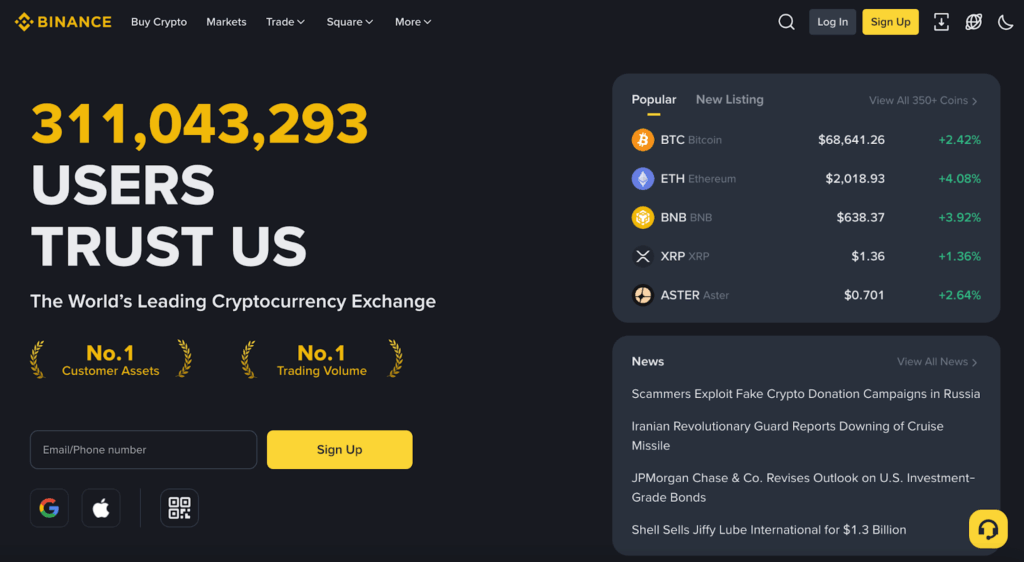
Binance is one of the largest cryptocurrency exchanges in the world by trading volume. Since its launch in 2017, Binance has built a massive ecosystem that includes spot trading, derivatives trading, staking services, decentralized finance (DeFi) tools, and educational resources.
The platform is particularly popular among experienced traders due to its powerful trading interface and extensive selection of cryptocurrencies. Binance supports hundreds of digital assets and offers multiple trading pairs, allowing users to diversify their portfolios and explore emerging crypto projects.
Binance also provides various investment tools such as staking, savings programs, and automated recurring purchases, allowing investors to generate passive income from their crypto holdings.
Features
- Spot, margin, futures, and options trading
- Access to hundreds of cryptocurrencies
- Binance Earn for staking and passive income
- Recurring crypto purchases
- Advanced charting and trading tools
- Binance Academy for educational resources
Trading and Other Fees
Binance is known for relatively low trading costs. Spot trading fees typically start at 0.10% for both maker and taker orders. Users who pay trading fees with Binance’s native token (BNB) can receive discounts of up to 25%.
Fees decrease further for traders with high monthly trading volumes.
Pros
- Low trading fees
- Large selection of cryptocurrencies
- Advanced trading tools and derivatives
- Large ecosystem with multiple financial services
Cons
- Interface may be complex for beginners
- Regulatory restrictions in some countries
- Customer support sometimes criticized
Bybit
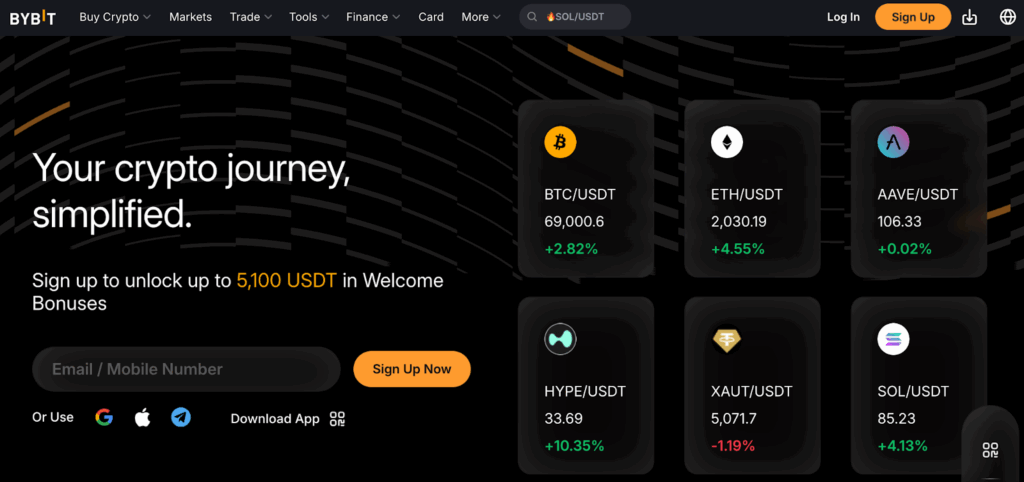
Bybit is a cryptocurrency exchange that has become particularly popular among professional traders and derivatives investors. Founded in 2018, the platform focuses on high-performance trading infrastructure and offers a wide range of futures and perpetual contracts.
One of Bybit’s key advantages is its high-speed matching engine, capable of processing large numbers of transactions even during periods of market volatility. This reliability has helped Bybit gain popularity among active traders.
The exchange also offers copy trading, allowing beginners to automatically follow strategies used by experienced traders. In addition to derivatives trading, Bybit now provides spot trading, staking services, and a growing ecosystem of crypto investment products.
Features
- Spot trading and derivatives trading
- Copy trading tools
- Staking and passive income opportunities
- Advanced charting and analytics
- Proof-of-reserves transparency system
- Mobile trading applications
Trading and Other Fees
Bybit generally charges around 0.1% for spot trading for both maker and taker orders.
For derivatives trading, the exchange typically charges around 0.01–0.02% maker fees and 0.055–0.06% taker feesdepending on the contract type.
Fees can decrease further for high-volume traders.
Pros
- Powerful derivatives trading platform
- Competitive trading fees
- High-speed trading infrastructure
- Copy trading for beginners
Cons
- Less beginner-friendly than some exchanges
- Limited fiat deposit options in some regions
- High-risk leverage trading may not suit new users
Crypto.com
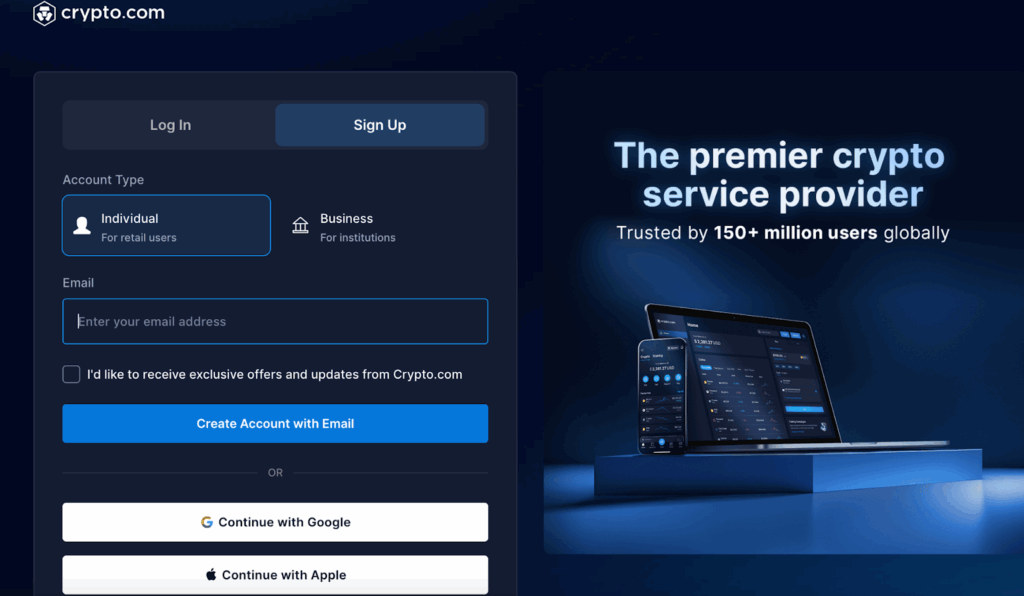
Crypto.com is a comprehensive cryptocurrency platform that combines trading services with financial products and payment solutions. Founded in 2016, the platform has grown rapidly by building a broad ecosystem that includes a crypto exchange, a mobile wallet, staking services, and crypto payment tools.
One of Crypto.com’s most distinctive products is its crypto Visa card, which allows users to spend cryptocurrencies in everyday transactions while earning cashback rewards in digital assets.
The platform focuses heavily on mobile accessibility and aims to integrate cryptocurrency into daily financial activities.
Features
- Spot trading and derivatives trading
- Crypto Visa card for payments
- Staking and yield farming services
- Mobile wallet and DeFi tools
- NFT marketplace
- Support for hundreds of cryptocurrencies
Trading and Other Fees
Crypto.com’s spot trading fees generally start around 0.25% for makers and 0.5% for takers, though these costs can decrease depending on trading volume and token staking.
The platform does not charge deposit fees for cryptocurrency transfers, but withdrawal fees vary depending on the asset.
Pros
- Large ecosystem including payments and NFTs
- Crypto debit card with rewards
- Strong mobile app experience
- Multiple earning opportunities through staking
Cons
- Trading fees higher than some competitors
- Some features locked behind token staking
- Platform complexity for new users
You May Also Like

VAT reductions seen viable with exemption crackdown

U.S. SEC chief Atkins said bond with sister agency CFTC to include joint meetings, exams
Copy linkX (Twitter)LinkedInFacebookEmail
