Geopolitics, Fed signals and bitcoin market dynamics after Trump strike pause

Risk sentiment improved across digital assets as the bitcoin market reacted to a sudden de-escalation signal on Middle East strikes and shifting macro expectations.
From early week strength to post-FOMC reversal
Bitcoin opened the week on a strong footing, pushing toward $74,000 mid-week on a familiar derivatives-driven squeeze. Short covering and gamma pressure, rather than fresh spot demand, dominated the move and amplified upside momentum.
However, that rally quickly proved fragile. The FOMC meeting on March 18 sparked another now-familiar post-decision selloff, erasing gains for the seventh time in eight meetings. By Friday, after an oil spike and renewed macro headwinds, BTC was down about 3.4%, trading in the $67,800–$68,500 range into the weekly close.
Trump strike pause reshapes risk sentiment
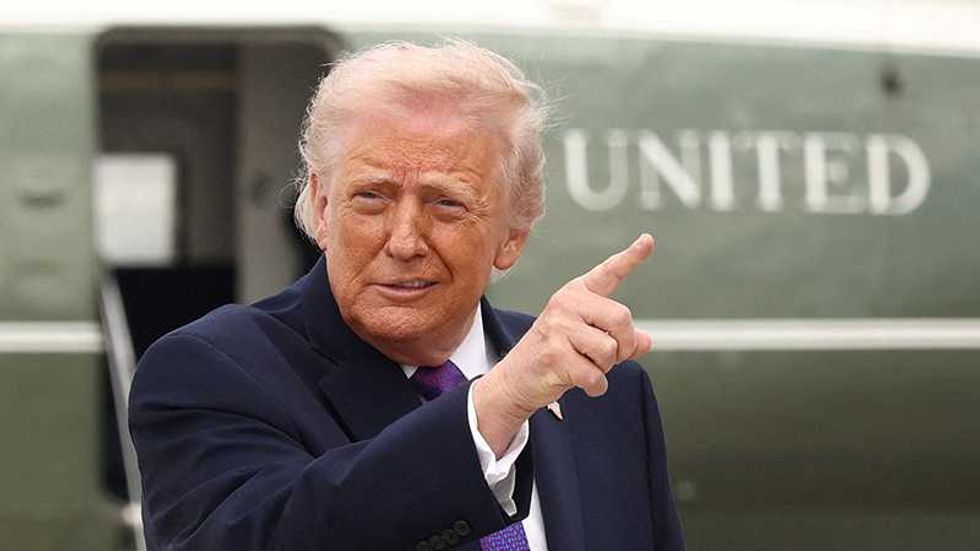
This morning, the market narrative shifted sharply. Following an announcement of a five-day pause on U.S. strikes against Iranian energy infrastructure ordered by Donald Trump, Bitcoin rebounded from the low $68,000s and reclaimed levels above $70,000, briefly pushing toward $71,000 intraday as risk appetite improved.
Moreover, the move coincided with heavy selling in oil, signaling that traders were unwinding part of the embedded geopolitical risk premium that had accumulated in recent sessions. Brent crude dropped notably in tandem with the crypto rebound, highlighting the tight link between energy markets and broader risk assets.
Fed stance and restrictive macro conditions
In a week dominated by central bank decisions, the Federal Reserve kept its policy rate unchanged at 3.50–3.75%, a unanimous outcome that markets had fully anticipated. However, the updated dot plot delivered a hawkish surprise relative to previous expectations.
Fourteen of 19 FOMC participants now anticipate zero or only one rate cut through 2026, with the median federal funds rate projected to end the year near 3.4%. That said, Chair Jerome Powell stressed that any easing requires clear and sustained progress on inflation, reinforcing a higher-for-longer message.
Markets have therefore priced out any move before autumn, and debate is growing over whether cuts arrive at all in 2026 given persistent inflation risks. In this backdrop, the bitcoin market continues to trade as a high-beta macro asset rather than a pure inflation hedge.
Oil shock, Hormuz risk and spillover to risk assets
With the latest round of central bank meetings behind investors and no near-term cuts priced in, geopolitical developments have become the primary driver for cross-asset moves. On Friday, Iraq declared force majeure on foreign-operated oilfields as disruptions spread beyond the Strait of Hormuz, while drone strikes hit Kuwaiti refineries.
Consequently, Brent crude surged above $112, marking its highest close since mid-2022. Risk assets faltered in response: the S&P 500 slipped below its 200-day moving average for the first time since May 2025, and the 10-year Treasury yield jumped roughly 13.5 basis points to around 4.40%.
Today brought dramatic, if potentially temporary, relief. The announced five-day halt on U.S. strikes against Iranian energy and power assets triggered aggressive selling in oil and renewed buying in risk assets, including major cryptocurrencies. The Strait of Hormuz remains partly restricted, and Iran still curbs tankers linked to so-called hostile states, yet markets view the pause as a clear de-escalation signal.
This five-day window now dominates short-term trading frameworks. Even partial normalization of Hormuz tanker flows would ease inflation pressure, give the Fed more flexibility, and offer risk assets, from equities to digital tokens, some breathing space.
Implications for bitcoin price ranges
Against this backdrop, traders are mapping out conditional scenarios. If shipping flows through Hormuz stabilize and Brent crude consolidates instead of making new highs, analysts see room for BTC to retest the $74,000–$76,000 band that acted as resistance earlier in the month.
However, renewed disruptions to energy exports or an escalation in regional tensions would likely revive inflation fears and weigh again on risk assets. Under that bearish scenario, market participants expect Bitcoin to slide back toward the mid-$60,000 area as leveraged longs are forced to reduce exposure.
In this sense, the current five-day truce functions as a binary catalyst for the short-term outlook for the bitcoin market, with traders closely tracking both tanker traffic data and official statements from Washington and Tehran.
Digital assets: resilience amid ETF outflows
The latest FOMC decision once more acted as a rally killer for crypto-linked investment products. Single-day outflows from U.S.-listed Bitcoin ETFs reached about $708 million, the largest daily withdrawal in roughly two months, underscoring how sensitive structured products remain to macro signals.
Yet Bitcoin itself showed relative resilience compared with traditional safe havens. Gold logged its worst weekly performance since 1983, shedding more than 10% as the DXY dollar index broke above the 100 level. Moreover, leveraged longs in gold futures faced cascading margin calls, driving COMEX open interest to multi-year lows.
Derivatives, gold spread and institutional positioning
Despite the volatility, Bitcoin derivatives markets remained comparatively stable, and ETF flows were net positive over the broader period rather than just on the worst outflow day. The previously wide performance gap versus gold has narrowed substantially in recent weeks.
However, it remains premature to call a full rotation out of gold and into crypto. Positioning data show that institutional investors are keeping their focus on large-cap tokens, with limited evidence of broad-based risk-on flows into smaller altcoins.
Ethereum leads with staking and ETF demand
Among major assets, Ethereum outperformed over the week. In an environment where policy rates stay elevated for longer, its staking yield has become an important component of the overall investment case, especially for institutional allocators seeking on-chain income.
ETH ETFs recorded record weekly inflows of $160.8 million despite the macro turbulence, highlighting persistent demand for regulated exposure to the second-largest crypto asset. Moreover, professional flows remain concentrated in majors, while the broader altcoin complex stays largely sidelined as investors wait for greater clarity on rates and volatility.
In summary, digital assets are navigating a complex mix of restrictive Fed policy, energy-driven inflation risks and intermittent geopolitical shocks. Over the coming days, market direction is likely to hinge on developments around Iranian energy infrastructure and Hormuz shipping lanes, which will determine whether Bitcoin and Ethereum can sustain their latest rebound or revert to a more defensive posture.
You May Also Like

The Channel Factories We’ve Been Waiting For
Trump sets stage for a 'post-America world': NYT reporter