
Build Your FUEL Portfolio: Diversification Guide
Introduction to Portfolio Diversification with FUEL
Portfolio diversification is a foundational principle in cryptocurrency investing, aiming to reduce risk by spreading capital across multiple assets. FUEL, as the native token of the Fuel Network—a high-throughput, parallel layer-2 blockchain for Ethereum—offers a unique addition to a diversified crypto portfolio. Integrating FUEL into your investment strategy provides exposure to cutting-edge blockchain scalability solutions, leveraging the FuelVM and UTXO model for enhanced performance and decentralization. The key benefits of including FUEL are its potential for growth within the Ethereum scaling ecosystem and its utility in powering network operations. As a utility token, FUEL enables transaction processing and may play a role in governance as the network evolves. Investors should weigh FUEL's innovative technology and its position in the rapidly developing layer-2 sector against risks such as its relatively recent market entry and the challenges of broad adoption.
Example: In cryptocurrency investing, diversification is essential for long-term success. FUEL, as a high-throughput layer-2 blockchain token within the Ethereum scaling landscape, offers unique opportunities that can help investors manage volatility while positioning for growth. When integrated into your strategy, FUEL provides exposure to the intersection of advanced blockchain architecture and Ethereum's expanding ecosystem, while potentially reducing overall portfolio risk. As a utility token powering a next-generation information and transaction ecosystem, FUEL offers both speculative and utility value. Investors should balance FUEL's innovative technology and strong technical foundation against its recent market entry and adoption challenges.
Understanding FUEL's Role in Your Investment Portfolio
FUEL's market behavior shows moderate correlation with large-cap cryptocurrencies, but it often exhibits unique price movements during periods of heightened activity in the Ethereum scaling sector. This makes FUEL valuable in a diversified crypto portfolio, as it does not simply mirror the price action of market leaders. Unlike tokens focused on payment processing or smart contracts, FUEL addresses the specific challenge of Ethereum's scalability, creating value through efficient transaction processing and parallel execution. Its risk profile is moderately high due to its innovative and evolving model, but it offers the potential reward of exposure to the growing demand for layer-2 solutions and blockchain throughput enhancements.
Example: FUEL has shown moderate correlation with large-cap cryptocurrencies, but displays unique movements during periods of market information asymmetry and Ethereum network congestion. This makes FUEL valuable in a crypto portfolio, as it doesn't simply mirror market leaders. Unlike cryptocurrencies focused on payment processing or smart contracts, FUEL addresses information fragmentation and scalability in crypto, creating value through efficient information and transaction distribution. Its risk profile is moderately high due to FUEL's innovative model, but offers exposure to the expanding Ethereum scaling sector and FUEL ecosystem development.
Optimal Allocation Strategies for FUEL
Determining the right allocation of FUEL in your portfolio depends on your risk tolerance and investment goals. For most investors, allocating 2-5% of your cryptocurrency portfolio to FUEL provides meaningful exposure while limiting risk. More aggressive investors with strong conviction in the Ethereum scaling sector might consider up to 10%. Many advisors recommend limiting total crypto exposure to 5-15% of your overall investment portfolio. Regular portfolio rebalancing—such as quarterly reviews—helps maintain target FUEL allocations, which may involve selling after significant appreciation or purchasing during downturns.
Example: For most investors, allocating 2-5% of your cryptocurrency portfolio to FUEL provides meaningful exposure while limiting risk. More aggressive investors might consider up to 10% with strong conviction in the Ethereum scaling sector and FUEL's potential. Many advisors recommend limiting total crypto exposure to 5-15% of your investment portfolio. Consider quarterly rebalancing to maintain target FUEL allocations, which may involve selling after significant appreciation or purchasing during downturns.
Risk Management Techniques for FUEL Investments
Effective risk management is essential when investing in FUEL. Setting stop-losses at 15-25% below your FUEL purchase price can help protect capital while accommodating market fluctuations. For new investors, dollar-cost averaging—making small, regular FUEL purchases over 6-12 months—typically outperforms lump-sum investing by reducing the impact of volatility. To hedge against FUEL's price swings, diversify across multiple crypto categories and maintain balanced exposure to both established cryptocurrencies and newer tokens. Additionally, FUEL staking (if available) can provide passive income, potentially offsetting risk through yield generation.
Example: Setting stop-losses at 15-25% below FUEL purchase price can protect capital while accommodating market fluctuations. For new investors, dollar-cost averaging with small regular FUEL purchases over 6-12 months typically outperforms lump-sum investing. To hedge against volatility, consider diversifying across multiple crypto categories or maintaining balanced exposure to established cryptocurrencies and newer tokens alongside FUEL. Additionally, FUEL staking can provide passive income, potentially offsetting risk through yield generation.
Advanced Diversification Tactics Using FUEL
Advanced investors can leverage FUEL staking for regular rewards, which reduces the effective cost basis over time. Participating in FUEL-related DeFi protocols (as they become available) can further optimize yield. For security, distribute FUEL holdings across hardware wallets for long-term storage, reputable exchanges like MEXC for trading, and custodial services for larger investments. This approach mitigates single points of failure while maintaining accessibility for different FUEL-related activities. Tax-efficient strategies, such as harvesting losses or deferring gains, can also enhance overall returns on FUEL investments.
Example: Advanced investors can leverage FUEL staking for regular rewards, which reduces effective cost basis over time. For security, distribute FUEL holdings across hardware wallets for long-term holdings, reputable exchanges like MEXC for FUEL trading, and custodial services for larger investments. This mitigates single points of failure while maintaining accessibility for different FUEL-related activities.
Conclusion
Building a diversified portfolio with FUEL requires balancing opportunity with risk management. By understanding FUEL's position in the Ethereum scaling market and implementing appropriate FUEL allocation strategies, investors can potentially benefit from its growth while managing volatility. For the latest FUEL price analysis, comprehensive market insights, and detailed FUEL performance metrics that can inform your investment decisions, visit the MEXC FUEL Price Page. This resource offers real-time data to help you confidently adjust your FUEL allocation as market conditions evolve.
Popular Articles
How High Will Ethereum Go? Price Predictions for 2026-2030
Ethereum has evolved from an experimental blockchain into the backbone of decentralized finance, NFTs, and smart contracts. With ETH trading around $2,900 in December 2025, investors are asking: how h

MEXC Pre-Market Trading Guide: How to Trade Tokens Before Listing & FAQ
1. What Is Pre-Market Trading?Pre-Market Trading is an over-the-counter (OTC) service offered by MEXC. It gives traders the opportunity to buy and sell new tokens before they are officially listed on

How to Buy Ethereum (ETH) - Step-by-Step Guide for Beginners
Ethereum stands as the second-largest cryptocurrency by market capitalization, powering everything from decentralized finance platforms to NFT marketplaces.This guide breaks down how to buy Ethereum s
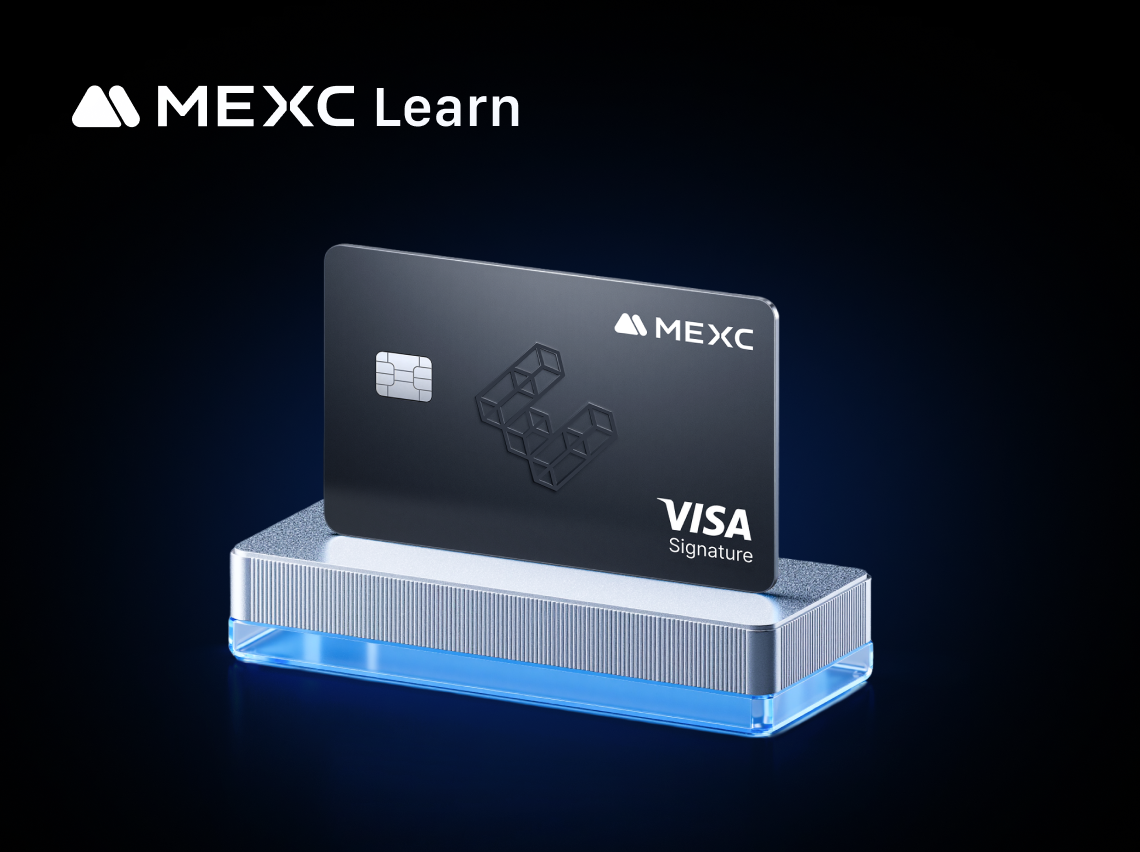
How to Apply for the MEXC × ether.fi Credit Card
MEXC is pleased to partner with ether.fi to launch the enhanced MEXC × ether.fi Credit Card, offering upgraded cashback rewards that go beyond the standard ether.fi Card.Spend globally with Apple Pay
Hot Crypto Updates
Snowball (SNOWBALL) Price Targets
Introduction to SNOWBALL Price TargetsCryptocurrency traders often rely on price targets for Snowball (SNOWBALL) to plan their trading strategies and gauge market sentiment. SNOWBALL price targets pro
Snowball (SNOWBALL) Price Chart: Live Data & Technical Analysis
The live Snowball (SNOWBALL) price chart provides a dynamic view of market action, showing how traders and investors are positioning in real time. By studying cryptocurrency price charts, you can iden

Snowball (SNOWBALL) vs Ethereum (ETH) Price
The Snowball (SNOWBALL) price compared with the Ethereum (ETH) price offers a valuable perspective for crypto traders and investors seeking to understand digital asset dynamics. Since ETH is the secon
Snowball (SNOWBALL) Long-Term Price Prediction
Introduction to Snowball Long-Term Price PredictionWhen it comes to crypto investments, long-term outlooks often provide deeper insight than short-term speculation. Long-term price predictions for Sno
Trending News

New Gold Protocol's NGP token was exploited and attacked, resulting in a loss of approximately $2 million.
PANews reported on September 18th that according to Paidun monitoring, New Gold Protocol's NGP token was exploited in an attack, resulting in a loss of approximately $2 million. The NGP token plummete

The Real Cost of AI? Beyond Originality, It’s Human Identity
How global thought leader Dr. Tae Yun Kim is redefining human agency, expertise, & purpose in the AI era MEDFORD, Ore., Dec. 22, 2025 /PRNewswire/ — Artificial
Which 10 Meme Coins Will Reach $1 in 2026? [Updated as of Dec 2025]
Every crypto market cycle brings its own surprises, but meme tokens continue to shock the market with wild moves, huge communities, and unpredictable growth stories
Why DEX Trades Fail Even When You Have Gas Fees
Why DEX Trades Fail Even When You Have Gas Fees You approved the transaction. You paid the gas fee. And yet… the trade failed. For anyone naviga
Related Articles
How High Will Ethereum Go? Price Predictions for 2026-2030
Ethereum has evolved from an experimental blockchain into the backbone of decentralized finance, NFTs, and smart contracts. With ETH trading around $2,900 in December 2025, investors are asking: how h
MEXC Pre-Market Trading Guide: How to Trade Tokens Before Listing & FAQ
1. What Is Pre-Market Trading?Pre-Market Trading is an over-the-counter (OTC) service offered by MEXC. It gives traders the opportunity to buy and sell new tokens before they are officially listed on
How to Buy Ethereum (ETH) - Step-by-Step Guide for Beginners
Ethereum stands as the second-largest cryptocurrency by market capitalization, powering everything from decentralized finance platforms to NFT marketplaces.This guide breaks down how to buy Ethereum s
How to Apply for the MEXC × ether.fi Credit Card
MEXC is pleased to partner with ether.fi to launch the enhanced MEXC × ether.fi Credit Card, offering upgraded cashback rewards that go beyond the standard ether.fi Card.Spend globally with Apple Pay
