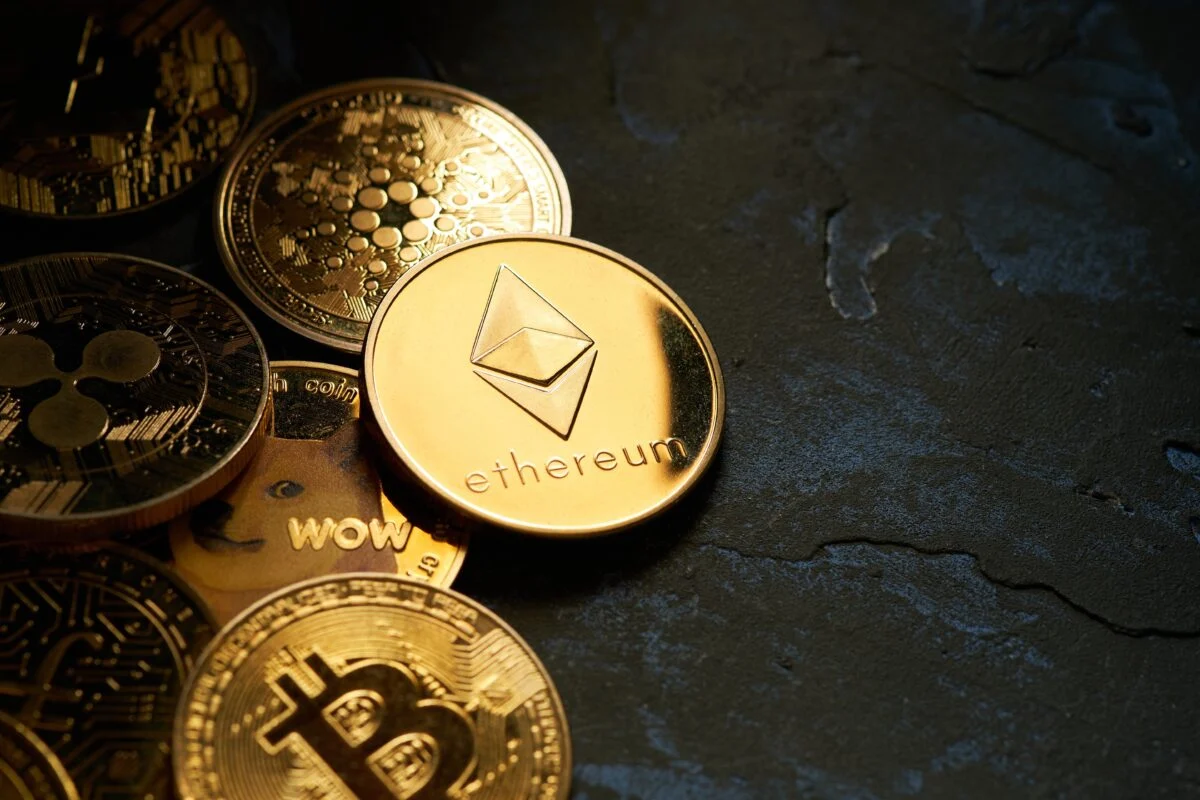
Bitcoin has transformed from an experimental digital currency into a global financial phenomenon, but one question remains critical for users worldwide: is Bitcoin legal? The answer variesBitcoin has transformed from an experimental digital currency into a global financial phenomenon, but one question remains critical for users worldwide: is Bitcoin legal? The answer varies
Learn/Cryptocurrency Knowledge/Hot Concepts/Is Bitcoin ... by Country

Is Bitcoin Legal? Complete Guide to Bitcoin Legality by Country

Intermediate
Feb 6, 2026MEXC
0m
Comedian
BAN$0.06563-7.74%
Wink
LIKE$0.001722-11.78%
GAINS
GAINS$0.00725-9.37%
ELYSIA
EL$0.001831-5.56%
Major
MAJOR$0.07907-5.86%
Bitcoin has transformed from an experimental digital currency into a global financial phenomenon, but one question remains critical for users worldwide: is Bitcoin legal?
The answer varies dramatically by country, with some nations embracing cryptocurrency while others ban it entirely.
This guide explains where Bitcoin is legal, where it faces restrictions, and what regulations mean for everyday users.
Whether you're considering your first Bitcoin purchase or already trading on platforms like MEXC, understanding the legal landscape protects your investment and keeps you compliant.

Key Takeaways:
  1. Bitcoin is legal in most developed countries including the United States, Canada, United Kingdom, European Union, and Australia, though regulatory approaches vary significantly.
  2. The IRS classifies bitcoin as property for tax purposes, requiring users to report capital gains or losses on every transaction.
  3. Several countries including China, Bangladesh, Algeria, Egypt, and Morocco enforce complete bans on all bitcoin transactions and ownership.
  4. El Salvador became the world's first country to adopt bitcoin as legal tender in September 2021, though actual adoption remains limited due to volatility.
  5. Bitcoin's legal status differs from legal tender status—most countries allow bitcoin trading without requiring businesses to accept it as payment.
  6. Cryptocurrency exchanges must implement Know Your Customer procedures and comply with anti-money laundering regulations in jurisdictions where bitcoin is legal.

Bitcoin is completely legal in the United States, though it operates under strict regulatory oversight.
The IRS classifies Bitcoin as property rather than currency, meaning every transaction triggers potential tax obligations.
When you sell Bitcoin or use it to purchase goods, you must report capital gains or losses just like selling stocks.
The Commodity Futures Trading Commission treats Bitcoin as a commodity, while the Securities and Exchange Commission regulates certain crypto-related securities.
Financial institutions handling Bitcoin must register as Money Services Businesses with FinCEN and comply with anti-money laundering requirements.
The United Kingdom recognizes Bitcoin as legal for trading and investment purposes.
British authorities updated the Financial Services and Markets Act in 2023 to provide clearer guidance on digital assets.
Bitcoin is treated as "private money" for tax purposes, and while exchanges between Bitcoin and sterling carry no VAT charges, profits from trading face capital gains tax.
The Financial Conduct Authority supervises crypto businesses operating in the UK, requiring them to register and meet consumer protection standards.
Canada maintains a Bitcoin-friendly regulatory environment similar to its southern neighbor.
The Canadian Revenue Agency taxes Bitcoin based on usage context—either as business income or capital gains.
All cryptocurrency exchanges operating in Canada must register with FINTRAC, the country's financial intelligence unit, and implement comprehensive anti-money laundering programs.
This requirement extends to foreign exchanges serving Canadian customers, ensuring consistent consumer protection across the market.
Australian law treats Bitcoin as legal property with specific tax implications.
The Australian Taxation Office requires reporting whenever you trade, sell, or use Bitcoin for purchases, as these actions trigger capital gains tax events.
However, if you hold Bitcoin strictly for personal use and realize gains, you may qualify for tax exemptions.
Australia's regulatory approach balances innovation with consumer protection, making it one of the more crypto-friendly jurisdictions globally.
India's Bitcoin status remains complex and continues evolving.
The Supreme Court of India lifted the Reserve Bank's banking ban in 2020, making Bitcoin trading legal through registered exchanges.
However, the government does not recognize Bitcoin as legal tender and has proposed various regulatory frameworks.
Indian investors face a 30% tax on cryptocurrency gains plus additional cess charges, reflecting the government's cautious approach to digital assets.
The European Union permits Bitcoin trading under the Markets in Crypto-Assets Regulation, which became fully applicable in December 2024.
MiCA establishes uniform rules across member states while allowing individual countries to implement additional safeguards.
The Court of Justice ruled that Bitcoin-to-fiat exchanges are VAT-exempt because Bitcoin functions as a means of payment.
Countries like Germany, France, and Spain each maintain Bitcoin-friendly policies within the broader EU framework.


Where Is Bitcoin Illegal? Countries with Bitcoin Bans

Complete Bitcoin Bans

Several nations maintain absolute prohibitions on Bitcoin use, citing financial stability and security concerns.
China enforces the world's most comprehensive ban, prohibiting all cryptocurrency transactions and mining operations since 2021.
Algeria's central bank explicitly forbids purchasing, selling, using, or holding any virtual currency.
Bangladesh imposes strict anti-money laundering laws against Bitcoin, with violators facing potential imprisonment.
Egypt and Morocco also ban financial institutions from facilitating any Bitcoin transactions.

Countries with Banking Restrictions

Some nations permit Bitcoin ownership while restricting financial institution involvement.
Nigeria's central bank prohibits banks from processing cryptocurrency transactions, though peer-to-peer trading continues.
Bolivia banned Bitcoin and all currencies not regulated by a country or economic zone back in 2014.
Argentina and Colombia prevent banks from facilitating Bitcoin purchases while allowing individual ownership.
These banking bans create significant practical barriers without criminalizing personal Bitcoin holdings.

Why Countries Ban Bitcoin

Governments typically cite three primary concerns when restricting Bitcoin.
First, they fear cryptocurrency undermines monetary policy control and threatens financial system stability.
Second, authorities worry about Bitcoin facilitating money laundering, terrorism financing, and tax evasion through anonymous transactions.
Third, some nations use Bitcoin bans to enforce capital controls and prevent citizens from moving wealth outside national borders.


Most people confuse Bitcoin being legal with being legal tender, but these represent fundamentally different concepts.
When Bitcoin is legal, you can own, trade, and invest in it without breaking laws—this describes Bitcoin's status in the United States, Canada, and most European nations.
Legal tender status means businesses must accept Bitcoin for debt payment by law, which only applies in El Salvador since 2021.
El Salvador's Bitcoin Law made headlines as the first nation recognizing Bitcoin alongside the US dollar as official currency.
The Central African Republic briefly adopted Bitcoin as legal tender in 2022 but repealed the law within a year.
Even in countries where Bitcoin is legal tender, actual adoption remains limited due to price volatility and technical barriers.
Understanding this distinction matters because while Bitcoin trading might be perfectly legal in your country, no merchant is obligated to accept it as payment.


How Bitcoin Regulations Affect Users

Bitcoin regulations directly impact your taxes, reporting obligations, and platform choices.
The IRS requires US taxpayers to report all Bitcoin transactions on tax returns, treating gains as taxable property rather than currency.
This means purchasing coffee with Bitcoin technically triggers a capital gains calculation based on your original purchase price versus the Bitcoin's value at transaction time.
Cryptocurrency exchanges operating legally must implement Know Your Customer procedures, collecting identification documents before allowing trades.
These KYC requirements stem from anti-money-laundering regulations designed to prevent criminal activity, though they reduce the anonymity many Bitcoin users initially sought.
Mining Bitcoin remains legal in most countries, though some jurisdictions like Kosovo banned it during energy crises.
Always verify that any exchange you use maintains proper licensing—platforms like MEXC operate under regulatory frameworks ensuring user protection and legal compliance.


How to Stay Compliant with Bitcoin Laws

Staying compliant with Bitcoin regulations protects you from legal troubles and financial losses.
Start by researching your specific country's cryptocurrency laws through official government websites rather than relying solely on social media or unofficial sources.
Maintain detailed records of every Bitcoin transaction, including purchase dates, amounts, prices, and purpose—these records prove essential during tax season.
Use only regulated exchanges that comply with local financial regulations and maintain transparent fee structures.
Consider consulting a tax professional familiar with cryptocurrency before making significant Bitcoin investments, as tax treatment varies considerably between jurisdictions.
Never attempt to hide Bitcoin holdings from tax authorities, as blockchain transactions create permanent public records that investigators can trace.
Red flags indicating non-compliant platforms include promises of complete anonymity, no verification requirements, and offshore registrations in countries with weak financial oversight.


Frequently Asked Questions

Is Bitcoin gambling legal?
Bitcoin gambling legality depends on your jurisdiction's general gambling laws rather than specific cryptocurrency regulations.


Is Bitcoin legal in Singapore?
Yes, Singapore permits Bitcoin trading under the Monetary Authority's comprehensive digital payment token framework.


Is it legal to buy Bitcoin in India?
Yes, purchasing Bitcoin through registered exchanges is legal in India following the 2020 Supreme Court ruling.


Is Bitcoin legal in UAE?
The UAE permits Bitcoin trading through licensed exchanges, though financial institutions cannot recognize it as official payment.


Is Bitcoin legal in Pakistan?
Pakistan's State Bank has not authorized Bitcoin transactions, though cryptocurrency is not explicitly illegal.


Is bitcoin legal in Nepal?
No, Nepal maintains an absolute ban on Bitcoin and all cryptocurrency usage.


Is Bitcoin legal in Malaysia?
Yes, Bitcoin is legal in Malaysia though not recognized as legal tender, and the central bank does not regulate its operations.


Is Bitcoin legal in Nigeria?
Bitcoin ownership is legal in Nigeria, but banks are prohibited from facilitating cryptocurrency transactions since 2017.


Is Bitcoin legal in Turkey?
Bitcoin trading and holding is legal in Turkey, but using it as payment for goods and services has been banned since April 2021.


Is Bitcoin legal in Bangladesh?
No, Bangladesh maintains a complete ban on Bitcoin, with violators facing potential imprisonment under anti-money laundering laws.


Is Bitcoin legal in Dubai?
Yes, Bitcoin is legal in Dubai through licensed exchanges, though the Central Bank does not recognize it as an official payment form.


Is Bitcoin legal in Egypt?
No, Egypt prohibits individuals, banks, and financial institutions from dealing in cryptocurrencies.


Is Bitcoin legal in Germany?
Yes, Germany recognizes Bitcoin as a "unit of account" for tax and trading purposes, with VAT applying to transactions.


Is Bitcoin legal in Saudi Arabia?
No, the Saudi Central Bank warns against Bitcoin use and financial institutions are prohibited from facilitating cryptocurrency transactions.


Is Bitcoin legal in China?
No, China enforces a complete ban on all cryptocurrency transactions, mining operations, and exchange services since 2021.


Is Bitcoin legal in Russia?
Bitcoin mining is legal in Russia, but banks are banned from facilitating cryptocurrency transactions as payment methods.


Is Bitcoin legal in Japan?
Yes, Japan fully regulates Bitcoin under the Payment Services Act, requiring exchanges to register with financial authorities.


Is Bitcoin legal tender in El Salvador?


Is Bitcoin legal in Qatar?
Banks cannot trade Bitcoin in Qatar due to financial crime concerns, and cryptocurrency is banned in the Qatar Financial Centre.


Is Bitcoin legal in South Africa?
Yes, South Africa permits Bitcoin trading though it has no official legal status or regulatory framework designation.


Is Bitcoin legal in Kuwait?
Kuwait has not established clear cryptocurrency regulations, and Bitcoin operates in a legal gray area without official authorization.


Is Bitcoin legal in Kenya?
Yes, Kenya allows Bitcoin use though the Central Bank has issued warnings about cryptocurrency risks and lack of protection.


Is Bitcoin legal in Morocco?
No, Morocco banned all virtual currency transactions in 2017, with violations subject to penalties under exchange regulations.


Is Bitcoin legal in Papua New Guinea?
Papua New Guinea has not established specific Bitcoin regulations, leaving its legal status unclear without official guidance.


Is Bitcoin legal in Ghana?
Yes, Ghana permits Bitcoin trading though the Bank of Ghana does not regulate or guarantee cryptocurrency transactions.


Is Bitcoin legal in Hong Kong?
Yes, Hong Kong treats Bitcoin as a virtual commodity without HKMA regulation, though anti-money laundering laws apply.


Is Bitcoin legal in Thailand?
Bitcoin trading and holding is legal in Thailand, but using it as payment is illegal under digital currency regulations.


Is Bitcoin legal in Mexico?
Yes, Mexico recognizes Bitcoin as a virtual asset regulated under the FinTech Law since 2017.


Is Bitcoin legal in Vietnam?
Bitcoin trading as a virtual asset is legal in Vietnam, but using it as a payment method is illegal and punishable.


Is Bitcoin legal in Bhutan?
Bhutan has not established clear cryptocurrency regulations, leaving Bitcoin's legal status undefined without official government guidance.


Is Bitcoin legal in Spain?
Yes, Spain permits Bitcoin transactions under the same legal framework as barter transactions without special restrictions.


Is Bitcoin legal in Brazil?
Yes, Brazil established a licensing regime in December 2022 for virtual asset service providers, legalizing cryptocurrency as a payment method.


Is Bitcoin legal in Ethiopia?
Ethiopia has not established comprehensive cryptocurrency regulations, leaving Bitcoin's legal status unclear without official framework.


Is Bitcoin legal in Sri Lanka?
Sri Lanka has not established clear Bitcoin regulations, with the Central Bank issuing warnings but no explicit prohibition.


Is Bitcoin legal in Oman?
Oman has not established specific cryptocurrency regulations, leaving Bitcoin's legal status unclear without official government guidance.


Is Bitcoin legal in Taiwan?
Financial institutions are warned against using Bitcoin in Taiwan, though regulators have not classified it as illegal.


Is Bitcoin legal in NZ?
Yes, New Zealand permits Bitcoin schemes without Reserve Bank approval as long as they don't involve currency issuance.


Is Bitcoin legal in Philippines?
Yes, the Philippines legalized virtual currencies with the Central Bank regulating cryptocurrency exchanges under Circular 944.


Is Bitcoin legal in Romania?
Yes, Romania regulates Bitcoin use under Law 210/2019, with trading income taxed at 10 percent.


Is Bitcoin legal in Israel?
Yes, Israel treats Bitcoin as a taxable asset rather than currency, with capital gains tax applying to sales.


Is Bitcoin legal in Italy?
Yes, Italy permits Bitcoin use by private individuals without specific regulatory restrictions on personal transactions.


Is Bitcoin legal in South Korea?
Yes, South Korea allows adult citizens to trade cryptocurrencies on registered exchanges using real-name bank accounts.


Is Bitcoin legal in Fiji?
Yes, Fiji's government supports cryptocurrency use, with Prime Minister Rabuka even planning to make bitcoin legal tender.


Is Bitcoin legal in Poland?
Yes, Poland permits Bitcoin use without regulatory restrictions, though it's not classified as legal tender or electronic money.


Is Bitcoin legal in Switzerland?
Yes, Switzerland allows Bitcoin trading subject to anti-money laundering regulations, with some businesses requiring banking licenses.


Is Bitcoin legal in Croatia?
Yes, Croatia permits Bitcoin use, with the Financial Stability Council warning investors about cryptocurrency risks in 2017.


Is Bitcoin legal in Ireland?
Yes, Ireland permits Bitcoin though the Central Bank states it does not regulate cryptocurrency and it's not legal tender.


Is Bitcoin legal in Guyana?
Guyana has not established comprehensive cryptocurrency regulations, leaving Bitcoin's legal status unclear without official framework.


Is Bitcoin legal in Indonesia?
Bitcoin trading and holding is legal in Indonesia, but using it as a payment tool has been banned since January 2018.


Is Bitcoin legal in Tunisia?
Tunisia has not established clear cryptocurrency regulations, leaving Bitcoin's legal status undefined without official government guidance.


Is Bitcoin legal in Jamaica?
Yes, Jamaica permits Bitcoin use, with the Bank of Jamaica planning to create opportunities for cryptocurrency technology exploitation.


Is Bitcoin legal in Greece?
Yes, Greece permits Bitcoin use without specific legislation directly regulating cryptocurrency transactions or ownership.


Is Bitcoin legal in Algeria?
No, Algeria banned the purchase, sale, use, and holding of virtual currencies according to official regulations in 2017.


Is Bitcoin legal in Sweden?
Yes, Sweden treats Bitcoin as currency for regulatory purposes, exempt from VAT but subject to Financial Supervisory Authority oversight.


Is Bitcoin legal in Brunei?
Yes, Bitcoin is legal in Brunei for trading and holding, though not regulated by the Monetary Authority.


Is Bitcoin legal in Bahrain?
Bahrain has not established comprehensive cryptocurrency regulations, leaving Bitcoin's legal status unclear without official framework.


Is Bitcoin legal in Colombia?
Financial institutions are banned from facilitating Bitcoin transactions in Colombia, though individual ownership remains legal.


Is Bitcoin legal in Namibia?
The Bank of Namibia prohibits cryptocurrency exchanges and using Bitcoin as payment, though ownership status remains unclear.


Is Bitcoin legal in Bulgaria?
Yes, Bulgaria permits Bitcoin trading with a 10 percent tax on profits without specific legal restrictions.


Is Bitcoin legal in Trinidad?
Yes, Trinidad and Tobago permits Bitcoin use, with the Central Bank willing to work with fintech companies.


Is Bitcoin legal in Iran?
Banks and financial institutions are banned from dealing with cryptocurrencies in Iran since April 2018.


Is Bitcoin legal in Ecuador?
Bitcoin trading and holding is legal in Ecuador, but using it as a payment method is banned under monetary regulations.


Is Bitcoin legal in Uganda?
Uganda has not established comprehensive cryptocurrency regulations, leaving Bitcoin's legal status unclear without official framework.


Is Bitcoin legal in Portugal?
Yes, Portugal permits Bitcoin use, with the Bank stating in 2013 that it's not a safe currency but not prohibiting it.


Is Bitcoin legal in Zambia?
Zambia has not established comprehensive cryptocurrency regulations, leaving Bitcoin's legal status unclear without official framework.


Is Bitcoin legal in Kazakhstan?
Kazakhstan has not established clear cryptocurrency regulations, leaving Bitcoin's legal status undefined without official government guidance.


Is Bitcoin legal in Bolivia?
No, Bolivia banned Bitcoin and all currencies not regulated by a country or economic zone in 2014.


Is Bitcoin legal in Peru?
Peru has not established comprehensive cryptocurrency regulations, leaving Bitcoin's legal status unclear without official framework.


Is Bitcoin legal in Argentina?
Banks are banned from facilitating Bitcoin transactions in Argentina, though Bitcoin may be considered money under civil law.


Is Bitcoin legal in Belgium?
Yes, Belgium permits Bitcoin use, with the Minister of Finance expressing concerns about money laundering in 2013.


Is Bitcoin legal in Finland?
Yes, Finland permits Bitcoin with the Tax Administration issuing clear taxation instructions treating it as a private contract.


Is Bitcoin legal in Chile?
Yes, Chile permits Bitcoin use without specific regulatory restrictions on cryptocurrency transactions or ownership.


Is Bitcoin legal in France?
Yes, France permits Bitcoin under regulations issued by the Ministry of Finance in July 2014 for virtual currency professionals.


Is Bitcoin legal in Netherlands?
Yes, the Netherlands permits Bitcoin as it's not classified as money under the Act on Financial Supervision.


Is Bitcoin legal in Czech Republic?
Yes, the Czech Republic requires businesses dealing with virtual currencies to comply with anti-money laundering laws.


Is Bitcoin legal in Cuba?
Cuba has not established comprehensive cryptocurrency regulations, leaving Bitcoin's legal status unclear without official framework.


Is Bitcoin legal in Albania?
Yes, Albania passed new regulations in May 2020 to govern cryptocurrency activities within the country.


Is Bitcoin legal in Zimbabwe?
The Reserve Bank of Zimbabwe banned banking use of cryptocurrency, though a High Court order lifted the ban under appeal.


Is Bitcoin legal in Belarus?
Yes, Belarus legalized cryptocurrency trading, mining, and token creation under the Decree on Development of Digital Economy.


Is Bitcoin legal in Mauritius?
Yes, the Financial Services Commission regulates cryptocurrencies as Digital Assets under the Financial Services Act 2007.


Conclusion

Bitcoin is legal in most developed countries, though regulatory approaches vary significantly from unrestricted trading to complete prohibition.
The United States, European Union, Canada, and Australia maintain clear legal frameworks treating Bitcoin as property or commodity.
Understanding your local regulations, maintaining transaction records, and using compliant platforms like MEXC ensures you stay on the right side of the law.
As cryptocurrency regulations continue evolving, staying informed protects your investments and keeps you compliant.
Market Opportunity
Comedian Logo
Comedian Price(BAN)
$0.06563
$0.06563$0.06563
-7.09%
USD
Comedian (BAN) Live Price Chart
This article is provided by MEXC for informational purposes only and does not constitute financial or investment advice. Cryptocurrency markets involve significant risk. Please conduct independent research or consult a qualified professional before making any investment decisions. The views expressed do not necessarily represent those of MEXC or its affiliates.
Sign Up on MEXC
Sign Up & Receive Up to 10,000 USDT Bonus