

South Korea Drives 30% of Crypto Volume – But Bitcoin Holds Just 9% Share
- Korea drives 30% of crypto volume while Bitcoin remains limited at just 9% share
- Altcoins dominate 85% of Korea’s crypto trades, showing strong speculative demand
- Japan shows lower volume but deeper Bitcoin liquidity than Korea’s market
South Korea leads global crypto trading activity, yet Bitcoin remains a minor share within this surge. Data shows Korea contributes about 30% of total crypto volume, driven largely by altcoin demand. However, Bitcoin accounts for only 9%, highlighting a clear shift in crypto market structure.
Bitcoin Sees Limited Share Despite Korea’s Market Dominance
South Korea commands a significant share of global crypto trading, and activity continues to expand across local exchanges. However, Bitcoin captures only a small portion of this flow, despite its global dominance. This contrast shows how regional trends shape crypto behavior differently across markets.
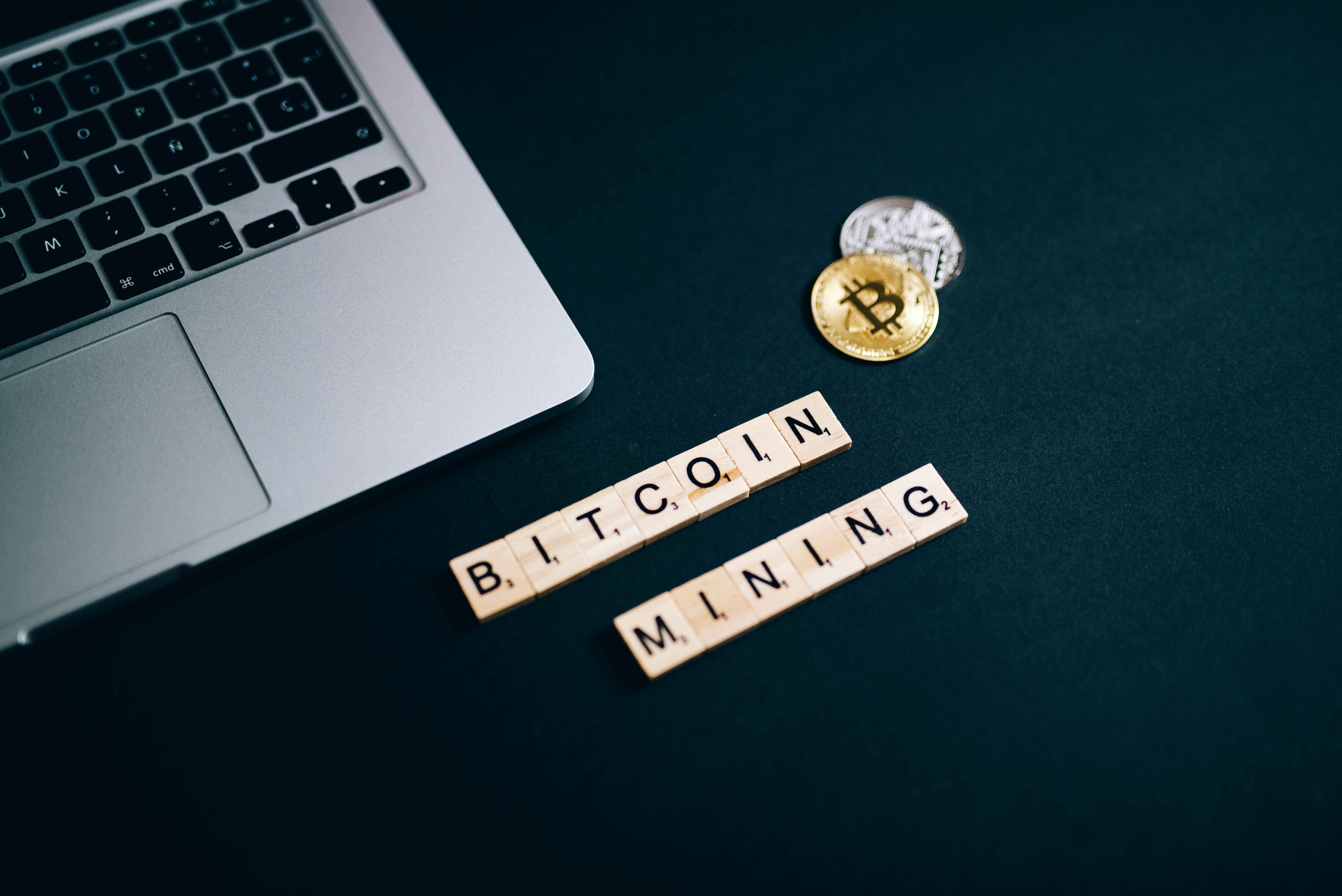
Moreover, Bitcoin represents about 9% of Korea’s total crypto trading volume, based on recent data analysis. This figure remains low compared to global averages, where Bitcoin usually leads trading activity. As a result, Korea’s crypto ecosystem reflects a stronger tilt toward alternative digital assets.
At the same time, liquidity conditions for Bitcoin appear weaker in Korea compared to other regions. Market depth remains limited, which reduces the efficiency of large Bitcoin trades. Therefore, Bitcoin faces structural constraints within Korea’s fast-moving crypto environment.
Ethereum Trails Further as Altcoins Capture Majority of Volume
Ethereum holds an even smaller share of Korea’s crypto trading activity, accounting for only 6% of total volume. This places Ethereum behind Bitcoin, even as both assets dominate global crypto markets elsewhere. Consequently, Korea’s crypto demand continues to favor high-risk altcoin trading.
Altcoins dominate the market with nearly 85% of total trading volume across Korean exchanges. This heavy concentration signals strong speculative interest, supported by rapid turnover and short-term positioning. In addition, weekly trading volumes average over $2.6 billion, reinforcing the scale of activity.
Meanwhile, comparisons with Japan highlight notable structural differences in crypto markets across Asia. Japan records lower monthly trading volumes, ranging between $2 billion and $3 billion. However, Japan maintains stronger Bitcoin liquidity, with market depth exceeding Korea by up to five times.
These contrasts underline how Korea prioritizes trading volume while Japan emphasizes liquidity quality. Bitcoin benefits from deeper order books in Japan, which support larger and more stable transactions. In contrast, Korea’s crypto market continues to favor speed, speculation, and altcoin-driven momentum.
The post South Korea Drives 30% of Crypto Volume – But Bitcoin Holds Just 9% Share appeared first on Live Bitcoin News.


You May Also Like

The Chemistry of UV Resistance: How Titanium Dioxide Protects Against the California Sun

Justice Department has 'gone off the rails' for Trump's 'pretzel logic': analysis




