Nation-States Enter Final Phase of Gradual Bitcoin Adoption
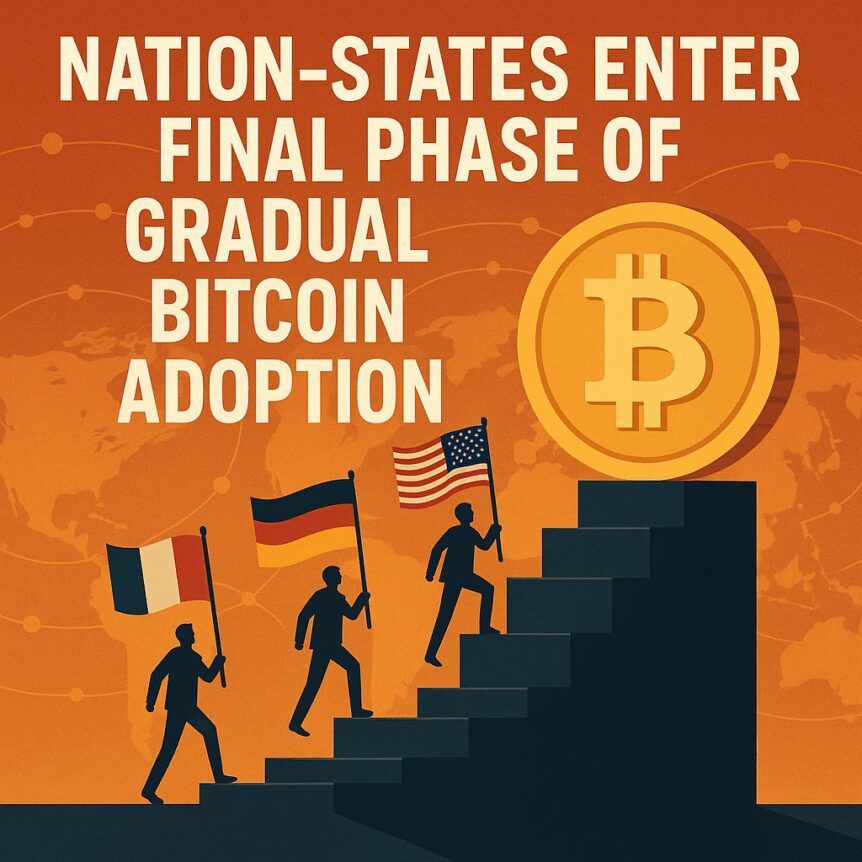
Bitcoin adoption is gaining momentum across nations, with increasing indications of a strategic shift among governments toward cryptocurrency integration. After initial skepticism, many countries now seem poised to bolster their Bitcoin reserves, signaling a potential surge in institutional and state-level participation in the crypto markets. Experts suggest that this shift could accelerate rapidly once certain geopolitical or economic triggers occur, possibly leading to a significant Bitcoin rally.
- Growing global interest in nation-state Bitcoin reserves, with more countries considering strategic holdings.
- The U.S. pushes forward with plans to acquire Bitcoin, aiming to establish a significant reserve position.
- Market analysts predict a delayed but substantial Bitcoin rally in the coming years.
- Bitcoin’s price has not yet experienced the expected massive run-up, with some expecting gains to materialize in 2024 or 2025.
- Expert commentary highlights the potential for a rapid shift in crypto adoption due to geopolitical factors.
Despite lingering uncertainties, increasing signs point toward a transformative phase for Bitcoin and the broader cryptocurrency ecosystem. As governments get more comfortable with the idea of strategic reserves, it’s becoming clear that the pace of adoption could accelerate rapidly, transforming Bitcoin from an asset of speculative interest to a key component of national economic strategies.
Jan3 founder Samson Mow highlighted this emerging trend, stating, “We’re on the tail end of the skepticism, entering the beginning of rapid adoption,” during a recent episode of the What Bitcoin Did podcast. He believes the likelihood of more countries establishing Bitcoin as part of their financial reserves is high, with some experts predicting a quick, FOMO-driven surge. “It’s just a matter of time before we witness a major run-up and nation-states panic-buying Bitcoin,” he added.
US Advances with Bitcoin Strategy
While the United States has yet to fully implement its plans, Mow notes that the government is actively pushing forward with budget-neutral Bitcoin acquisitions through the Bitcoin Act. According to Galaxy Digital’s Alex Thorn, there’s a strong chance that the U.S. will officially establish a Strategic Bitcoin Reserve by the end of this year. Although the U.S. leads globally in Bitcoin holdings, forming a formal reserve remains a priority, especially considering the risk of being overshadowed by nations like Pakistan, which is rapidly advancing its own crypto holdings.
Samson Mow discussed the growing role of Bitcoin in national reserves during the ‘What Bitcoin Did’ podcast. Source: What Bitcoin DidCurrently, the U.S. government holds approximately 198,012 Bitcoin, according to data from Bitbo. Mow emphasizes the importance of the U.S. beginning large-scale Bitcoin acquisitions soon, especially as Latin American nations increase their own crypto adoption, which he views as a key indicator of broader global trends.
Nation-states’ interest in Bitcoin is a popular topic in the crypto industry this year. Fidelity Digital Assets recently reported that more governments and financial institutions might establish strategic positions in Bitcoin, recognizing its potential as a sovereign store of value amid increasing macroeconomic instability.
Market Outlook and Price Expectations
Despite these developments, Bitcoin’s price has yet to experience the “massive run-up” many anticipated for 2024. Mow highlighted that the current cycle might be delayed, potentially pushing significant price movements into next year. As of now, Bitcoin trades around $109,400, down nearly 2% in the past month, reflecting cautious investor sentiment amid ongoing market debates.
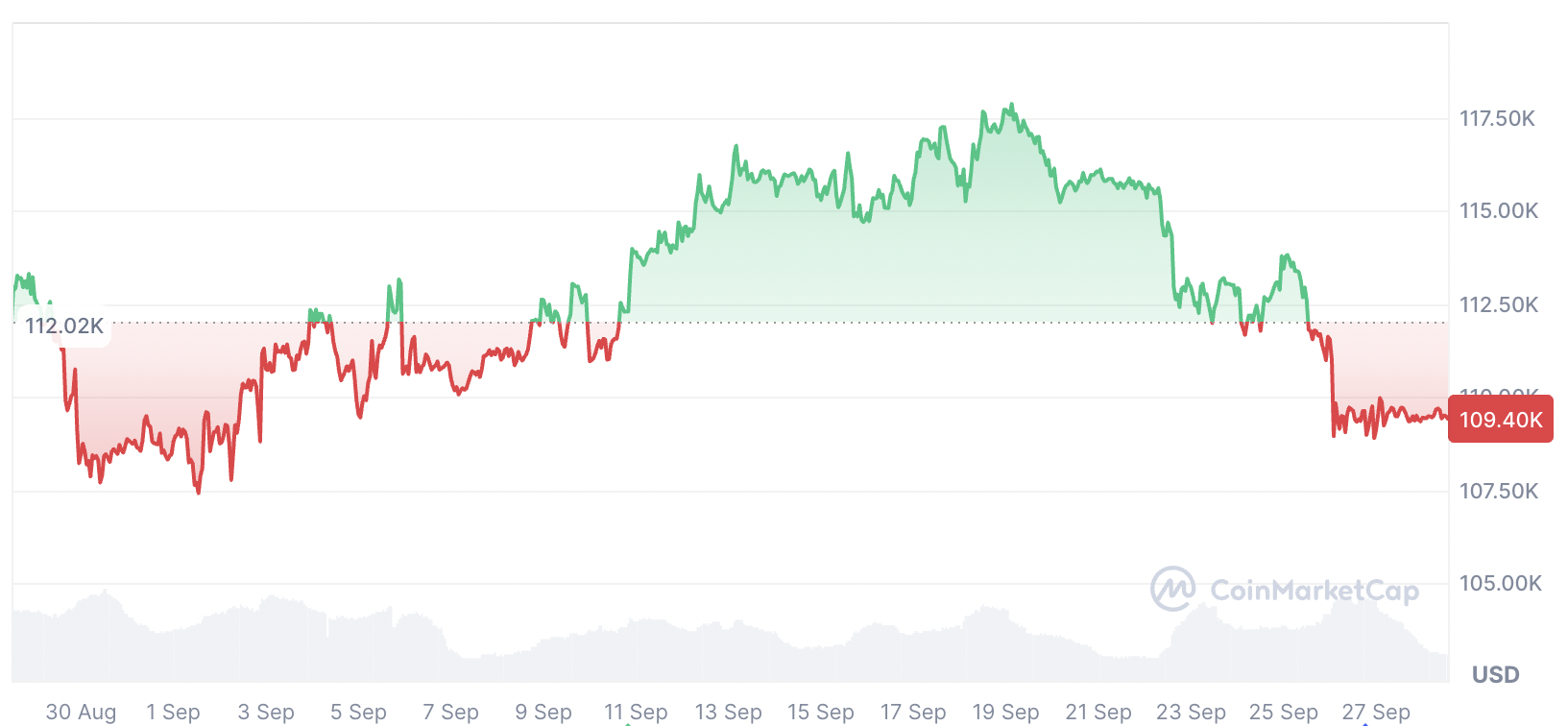 Bitcoin’s price remains stable around $109,400, with analysts predicting a delayed rally.
Market analysts, including Bitwise CIO Matt Hougan, suggest that the subsequent bull cycle could materialize in 2026, aligning with broader macroeconomic shifts and institutional adoption. Industry experts continue debating whether Bitcoin’s traditional four-year cycle remains relevant as institutional demand and ETFs reshape crypto market dynamics.
In recent months, expectations for astronomical Bitcoin prices, such as reaching $1 million, have been expressed by influential voices. This evolving narrative underscores the strategic importance of Bitcoin in national financial policies and the broader acceptance of crypto as a vital asset class.
This article was originally published as Nation-States Enter Final Phase of Gradual Bitcoin Adoption on Crypto Breaking News – your trusted source for crypto news, Bitcoin news, and blockchain updates.
You May Also Like

Visa Expands USDC Stablecoin Settlement For US Banks

Nasdaq Company Adds 7,500 BTC in Bold Treasury Move