Apple and Tesla Launch on Solana: Can Tokenized Stocks Attract Crypto Users?
By Jeffrey Gogo
Compiled by: Tim, PANews
Key Takeaways:
- With $23.3 billion in real-world assets issued on-chain, more and more crypto-native platforms are beginning to show goodwill to traditional finance.
- Several trading platforms such as Kraken and Binance have launched tokenized products for popular US stocks such as Apple and Tesla.
- Some analysts say tokenized stocks have great potential in the cryptocurrency space, while others believe they will only be successful if they focus on high-risk, volatile stocks.
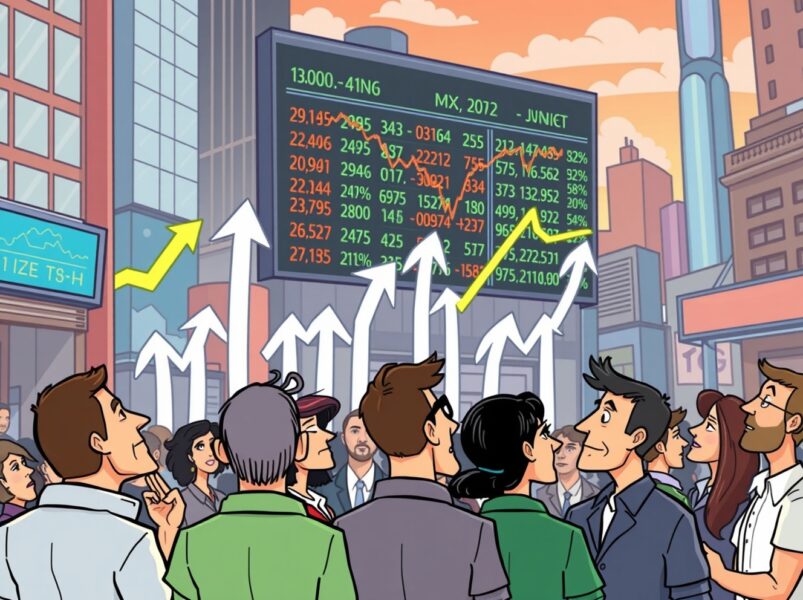
Cryptocurrency exchange Kraken announced the launch of xStocks, a tokenized version of popular U.S. stocks such as Apple, Nvidia, and Tesla. This innovation merges cryptocurrency with traditional finance in the ever-expanding field of real-world assets enabled by blockchain technology.
Now, as crypto exchanges increasingly align with traditional finance, can tokenized stocks succeed where they have failed in the past? Can they attract “degen” traders, who are known for chasing risky, volatile investments?
Ryan Lee, chief analyst at Bitget, told Cryptonews: "Tokenized stocks have great potential in the crypto space because they can achieve asset fractional ownership, 24-hour uninterrupted trading and stronger liquidity through blockchain platforms."
Tokenized securities are digitized versions of regular stocks that can be traded on a blockchain. In Kraken’s case, the 50-plus tokens and ETFs it offers are all issued on the Solana blockchain.
Each xStock token is tied to the value of the physical shares held in escrow by Backed Finance, which is working with Kraken as its counterpart in this collaboration. For example, an Apple Inc. (AAPLx) token will track the price of AAPL stock on the Nasdaq and can be redeemed 1:1 for cash.
Investors do not need to hold stocks directly, but only tokens that represent security ownership. Kraken said its tokens are not open to US customers and will only be sold in certain markets outside the United States.
U.S. crypto exchanges that offer tokenized stock services are not pioneers in the industry. The Bybit platform just recently announced the launch of a similar product, while Binance, the world's largest cryptocurrency exchange, tried such a business as early as 2021, but quickly stopped the project under pressure from Hong Kong regulators.
Is there a demand for stock tokenization in the crypto space?
Tokenized stocks have yet to gain widespread adoption in the crypto space, but supporters believe that such products have the potential to fundamentally change the way people participate in financial market investments. As Bitget analyst Lee noted:
“Tokenized stocks and other products are increasingly popular in the market, mainly due to retail investors’ demand for traditional stock investment opportunities with lower barriers and more flexible operations.”
Sam MacPherson, co-founder and CEO of Phoenix Labs, the developer of decentralized lending protocol Spark, said tokenized securities “transform static, closed market instruments into composable building blocks in an on-chain economy.”
“This technology enables 24/7 global access, real-time settlement, and enables entirely new financial use cases,” MacPherson told Cryptonews, adding:
This financial application scenario can cover various financial products such as mortgage lending and automatic portfolio strategies, which marks that traditional finance and DeFi markets will enter a new stage of integration and interconnection, and ultimately form an integrated financial system.
But not everyone is equally enthusiastic, at least not at first. Georgii Verbitskii, founder of DeFi service platform Tymio, is cautious about which assets cryptocurrency traders will favor.
In an interview with Cryptonews, Verbitskii said that for tokenized stocks to be successful, their listing strategies must be tailored to the preferences of cryptocurrency investors, focusing on what he calls “trend-driven or non-correlated assets.”
"While the concept is promising, actual demand will depend greatly on the specific types of assets listed on the exchange," Verbitskii said, noting that "high-volatility thematic stocks may be more popular with investors on crypto asset trading platforms." He added:
Internet-famous stocks like GameStop, rather than traditional blue-chip stocks such as Nvidia and Microsoft. The latter tend to be less volatile and therefore less attractive to cryptocurrency traders, while high volatility will attract more interest.
In recent years, cryptocurrency investors have tended to choose assets that build narratives around meme culture or have speculative upside potential.
For example, internet celebrity KOL Keith Gill (who calls himself Roaring Kitty on Twitter and YouTube and DeepFxxingValue on Reddit's Wall Street Casino forum) rose to fame for his bullish bet on GameStop, sparking trading enthusiasm among retail investors, including cryptocurrency investors.
During January 2021, GameStop's stock price skyrocketed 1,600% on Gill's social posts, causing heavy losses to hedge funds that shorted the Texas video game retailer.
The craze also extended to popular stocks such as AMC Entertainment and continued to spread to the crypto market. Cryptocurrency traders gave birth to new popular tokens inspired by companies such as GameStop and AMC.
Tokenized stocks target $250 billion market: regulatory challenges loom
Verbitskii believes that tokenized commodities such as gold or silver are more likely to “generate strong interest” than tokenized stocks in crypto assets.
"These assets appeal to investors looking to diversify risk or hedge, and there is precedent for this," he said, citing crypto exchange FTX, which launched a perpetual gold futures product before its spectacular collapse in 2022.
Experts point out that Kraken’s entry into the field of tokenized securities is a new move to connect cryptocurrencies and traditional finance, but the key to the success of this business lies in whether it can meet regulatory requirements in the regions where xStocks services are provided.
The main reason for Binance's failure to launch a tokenized stock product in 2021 was compliance issues, as it did not obtain a securities trading license. Hong Kong regulators also inquired about the exchange's stock token custody arrangements.
Analysts have pointed out that in the absence of public trust, tokenized stocks could become a regulatory time bomb. Kraken’s partnership with regulated tokenization platform Backed Finance is intended to preemptively address such concerns.
“xStocks was designed from the ground up to address these regulatory challenges,” Backed co-founder Adam Levi said in an email response to Cryptonews’ questions.
"They are fully collateralized 1:1 by the underlying shares, issued pursuant to an EU prospectus that complies with MiFID II (Markets in Financial Instruments Directive), contain full investor disclosure provisions, and are subject to a clear legal and regulatory framework. This brings the tokenized format to institutional-grade standards."
Levi added that the xStocks product offered by Kraken is issued in full compliance with regulatory requirements in Jersey, Switzerland and the European Union.
He believes that the demand for tokenized stocks "will grow significantly over time." Levi predicts that the segment will continue the development trajectory of stablecoins and expects the market size to expand to $250 billion in the next few years. He said:
The infrastructure is in place, market demand is surging, and the transformation is unstoppable.
Democratizing real-world assets
The crypto industry once viewed regulation as a traitor to Bitcoin, but now the new product jointly launched by Kraken and Backed is testing the innovation capabilities of crypto companies under the regulatory framework. Currently, many companies have begun to provide security-type tokenized stock services.
Dubai’s tokenized stock exchange Allo has completed the tokenization of $2.2 billion in real-world assets, including 11,000 U.S. stocks and exchange-traded funds. Users can use the platform to buy on-chain stocks of companies such as MicroStrategy Technology, Tesla, and Google, which are heavily invested in Bitcoin.
Allo CEO Kingsley Advani said the company has tokenized more than a thousand companies planning to go public through IPOs, including Musk's SpaceX, OpenAI and Anthropic.
“Investors can access these assets faster with lower barriers to entry, which democratizes real asset investment,” Advani said, noting that tokenization improves liquidity on his platform, broadens investment channels for small investors, and also speeds up settlement.

He noted that tokenization improves liquidity on his platform, broadens investment channels for small investors, and also speeds up settlement.
For example, stock fragmentation, the process of splitting stocks into smaller, tradable tokens, lowers the capital required to invest and attracts more investors, Advani said.
Today, international investment banks can now settle transactions in "seconds or minutes", while the old brokerage business model takes at least two working days. "This reduces counterparty risk and improves the efficiency of capital use," said Allo's CEO.
Advani did not specify whether Allo had encountered any pushback from U.S. or EU regulators, other than to say the company had a "proud compliance team" with experience in U.S. markets.
According to data from the RWA website , the total amount of RWA issued on the chain has reached 23.3 billion US dollars. Data shows that the scale has increased by nearly 6% in the past 30 days.
You May Also Like
Over 60% of crypto press releases linked to high-risk or scam projects: Report

ArtGis Finance Partners with MetaXR to Expand its DeFi Offerings in the Metaverse