The post Investing in AI, health tech appeared on BitcoinEthereumNews.com. Giorgos Tsetis, cofounder and former CEO of Nutrafol. Courtesy of Great Things A versionThe post Investing in AI, health tech appeared on BitcoinEthereumNews.com. Giorgos Tsetis, cofounder and former CEO of Nutrafol. Courtesy of Great Things A version

Investing in AI, health tech

Giorgos Tsetis, cofounder and former CEO of Nutrafol.

Courtesy of Great Things

A version of this article first appeared in CNBC’s Inside Wealth newsletter with Robert Frank, a weekly guide to the high-net-worth investor and consumer. Sign up to receive future editions, straight to your inbox.

After struggling with hair loss in his 20s, Giorgos Tsetis co-founded Nutrafol in 2014 to make supplements that address hair growth. Early this year, Tsetis sold his remaining equity at a valuation of $3.5 billion to Unilever and stepped down as Nutrafol’s CEO.

The 41-year-old told Inside Wealth he had two goals for his next chapter: to leave a better world for his young children and invest in companies with an eye toward social good.

“Early on, I had investors who made hundreds and hundreds of millions of dollars by essentially doing nothing. I just made wealthier people wealthier, and there’s nothing wrong with that,” he said in an interview. However, as a founder, he said he would have appreciated knowing that his success was also supporting causes like food access and mental health.

Six months ago, Tsetis launched his family office, Great Things, with the goal of using his investment profits to fund his philanthropy. He represents a growing class of ultra-wealthy millennials such as Walmart heir Lukas Walton who are setting up family offices early in life to promote causes like sustainability over sheer wealth preservation. And while many corporate asset managers have dialed back their impact investing, family offices largely haven’t, and next-generation principals are expected to double down on environmentally or socially conscious investing.

“I think the last thing you want to hand over to your children is wealth. I don’t necessarily think that is beneficial, even though we may think that that’s true,” Tsetis said. “I want to make impact now, and what I am excited about is to involve my children in those processes so they can see what’s happening in the world.”

Tsetis designed Great Things with a for-profit and a nonprofit arm, with the goal of using investment returns to fund charities that support causes like mental health and crisis response. Tsetis said a “significant portion” of the venture unit’s returns would go to philanthropy but declined to specify a percentage.

Tsetis began early-stage startup investing in earnest after Nutrafol’s Series B funding in 2019 and ramped it up after Unilever bought a majority stake in 2022. His portfolio includes artificial intelligence-driven companies focused on health care, like longevity startup NewLimit and BreakBio, a developer of personalized cancer vaccines.

His investment lens isn’t squarely focused on impact, having backed Anthropic, xAI and SpaceX. Tsetis acknowledged he has concerns about the ramifications of AI. “ChatGPT knows more about me than I know about myself, and that’s a problem,” he added. But Tsetis said early-stage investing makes it easier for him to get a seat at the table.

“You don’t know where the future is going to go,” he said. “I’d rather participate than be a spectator, and, wherever I can, drive and steer those conversations, because I do think that we need to prioritize human well-being.”

Tsetis’ ultimate goal is to give his portfolio companies a voice in how Great Things’ investment returns are donated.

Get Inside Wealth directly to your inbox

“Imagine if Nutrafol was able to deploy a million dollars at their choice,” he said. “That could have been quite interesting.”

Great Things has six full-time employees thus far, and Tsetis’s wife, Cerelina Proesl, advises on philanthropy. The family office has backed nonprofits including Every Cure, which uses artificial intelligence to identify existing drugs to treat rare diseases, and Ubuntu Pathways, a provider of education and HIV treatment in South Africa.

Tsetis said he hopes that other investors strategize on how to give back rather than doing so as an afterthought.

Social responsibility “should be something that people can get very excited about,” he said. “I’m hopeful that people want to do something about this problem that we currently experience, which is wealth concentration.”

Source: https://www.cnbc.com/2025/12/18/nutrafol-founder-giorgos-tsetis-philanthrophy.html

Market Opportunity
null Logo
null Price(null)
--
----
USD
null (null) Live Price Chart
Disclaimer: The articles reposted on this site are sourced from public platforms and are provided for informational purposes only. They do not necessarily reflect the views of MEXC. All rights remain with the original authors. If you believe any content infringes on third-party rights, please contact [email protected] for removal. MEXC makes no guarantees regarding the accuracy, completeness, or timeliness of the content and is not responsible for any actions taken based on the information provided. The content does not constitute financial, legal, or other professional advice, nor should it be considered a recommendation or endorsement by MEXC.
Tags:

You May Also Like

Satoshi-Era Mt. Gox’s 1,000 Bitcoin Wallet Suddenly Reactivated

Satoshi-Era Mt. Gox’s 1,000 Bitcoin Wallet Suddenly Reactivated

The post Satoshi-Era Mt. Gox’s 1,000 Bitcoin Wallet Suddenly Reactivated appeared on BitcoinEthereumNews.com. X account @SaniExp, which belongs to the founder of the Timechain Index explorer, has published data showing that a dormant BTC wallet was activated after hibernating for six years. However, it was set up 13 years ago, according to the tweet — the time when Satoshi Nakamoto’s shadow was still casting itself around, so to speak. The X post states that the tweet belongs to infamous early Bitcoin exchange Mt. Gox, which suffered from a major hack in the early 2010s, and last year it began paying out compensation to clients who lost their crypto in that hack. The deadline was eventually extended to October 2025. Mt. Gox’s wallet with 1,000 BTC reactivated The above-mentioned data source shared a screenshot from the Timechain Index explorer, showing multiple transactions marked as confirmed and moving a total of 1,000 Bitcoins. This amount of crypto is valued at $116,195,100 at the time of the initiated transaction. Last year, Mt. Gox began to move the remains of its gargantuan funds to pay out compensations to its creditors. Earlier this year, it also made several massive transactions to partner exchanges to distribute funds to Mt. Gox investors. All of the compensations were promised to be paid out by Oct. 31, 2025. The aforementioned transaction is likely preparation for another payout. The exchange was hacked for several years due to multiple unnoticed security breaches, and in 2014, when the site went offline, 744,408 Bitcoins were reported stolen. Source: https://u.today/satoshi-era-mtgoxs-1000-bitcoin-wallet-suddenly-reactivated
Share
BitcoinEthereumNews2025/09/18 10:18
Bitcoin Holds $115K Support as Fed Cuts Rates by 25 Basis Points

Bitcoin Holds $115K Support as Fed Cuts Rates by 25 Basis Points

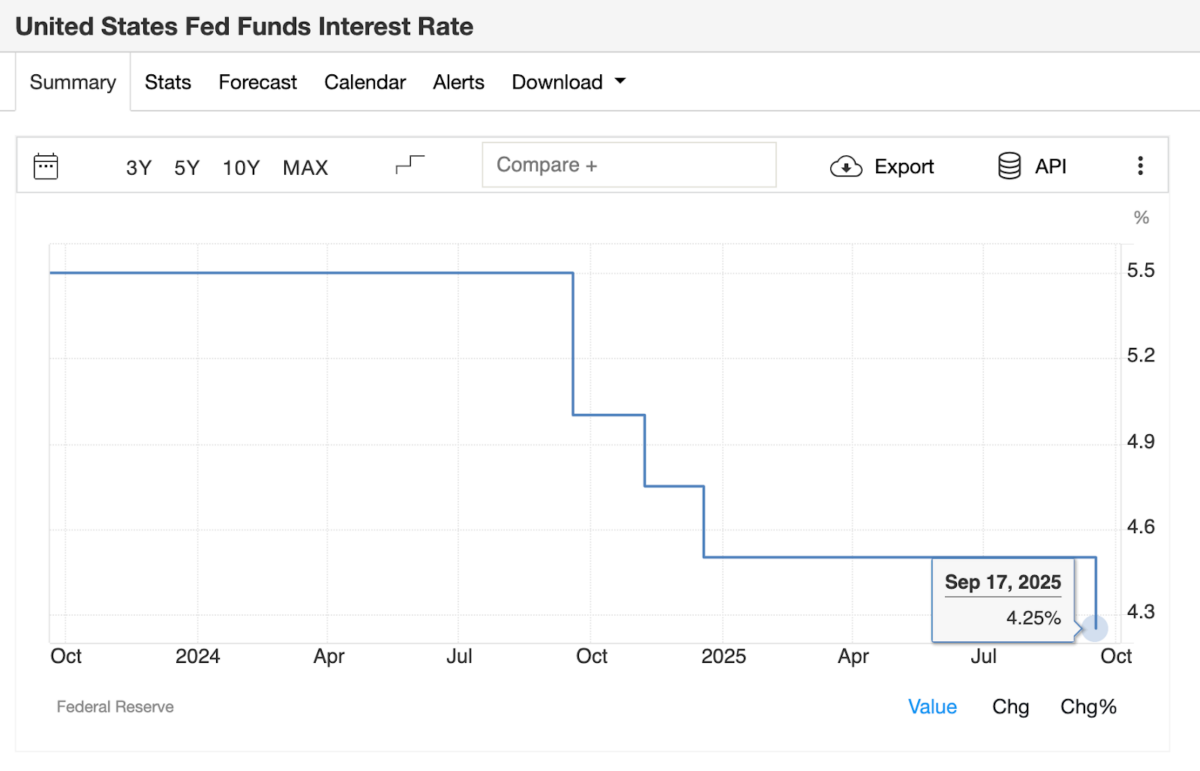
Bitcoin maintained support above $115,000 following the Federal Reserve's 25 basis point rate cut, which fell short of the widely anticipated 50bp reduction. The post Bitcoin Holds $115K Support as Fed Cuts Rates by 25 Basis Points appeared first on Coinspeaker.
Share
Coinspeaker2025/09/18 07:44
MoonBull, Brett, and Dogwifhat Compared

MoonBull, Brett, and Dogwifhat Compared

The post MoonBull, Brett, and Dogwifhat Compared appeared on BitcoinEthereumNews.com. Crypto News 18 September 2025 | 05:15 Explore MoonBull Whitelist, Brett token, and Dogwifhat price action. Learn why MoonBull’s best crypto whitelist is live now with big FOMO potential. Ever wondered why meme coins stir so much hype in the crypto jungle? Traders, students, and even seasoned blockchain builders keep chasing the next peanut pile of gains, hoping their bags turn into bull-sized fortunes overnight. In today’s scene, names like Brett and Dogwifhat grab the spotlight, while MoonBull lights up conversations with its whitelist buzz. Each of these projects carries its own flavor, yet the energy they generate reveals how meme culture keeps shaking financial markets. Brett became a crowd darling by spinning internet humor into tokenomics. Dogwifhat turned playful memes into market waves, pulling traders in with viral appeal. Both show how lighthearted memes can fuel serious capital flow. Yet the chatter doesn’t stop with them. MoonBull now appears, sparking urgency with its whitelist, creating noise louder than a hippo splash in shallow waters. MoonBull’s whitelist offering exclusive early perks, the crypto crowd feels the tug of FOMO stronger than ever. This first-come, first-served invite could be a rare second shot at a moonshot. MoonBull Whitelist is Live: Your Chance to Join the Best Crypto Whitelist MoonBull ($MOBU) has entered the arena not as just another meme coin but as a project built with the precision of Ethereum’s secure backbone. Designed for those chasing explosive upside, MoonBull stacks its chips on elite staking rewards and secret token drops. Its whitelist isn’t simply a sign-up form; it’s a ticket into Stage One of the presale, where entry comes at the lowest price possible and doors swing open to bonus allocations. Being whitelisted is like being a penguin in the front row of a bull stampede. Whitelist members aren’t just joining…
Share
BitcoinEthereumNews2025/09/18 10:17