BitcoinWorld Bitcoin Price Plummets: BTC Falls Below Critical $88,000 Threshold Amid Market Uncertainty Global cryptocurrency markets witnessed a significant correctionBitcoinWorld Bitcoin Price Plummets: BTC Falls Below Critical $88,000 Threshold Amid Market Uncertainty Global cryptocurrency markets witnessed a significant correction

Bitcoin Price Plummets: BTC Falls Below Critical $88,000 Threshold Amid Market Uncertainty
6 min read
Analysis of the Bitcoin price drop below $88,000 and its market significance.

BitcoinWorld

Bitcoin Price Plummets: BTC Falls Below Critical $88,000 Threshold Amid Market Uncertainty

Global cryptocurrency markets witnessed a significant correction on Tuesday, as the flagship digital asset, Bitcoin (BTC), decisively fell below the psychologically important $88,000 level. According to real-time data from Bitcoin World market monitoring, BTC is currently trading at $87,983.3 on the Binance USDT perpetual futures market. This move represents a notable shift in short-term sentiment and prompts a deeper examination of underlying market forces.

Bitcoin Price Drop: Analyzing the Immediate Market Data

The breach of the $88,000 support level marks a clear technical development for traders. Consequently, market analysts are scrutinizing order book depth and trading volume across major exchanges. Data from CoinMarketCap and CoinGecko corroborates the Binance figure, showing a synchronized drop across global liquidity pools. Furthermore, the 24-hour trading volume for Bitcoin has surged by approximately 35%, indicating heightened activity. This volume spike typically accompanies periods of increased volatility and decisive price movement.

Historically, round-number thresholds like $90,000 and $88,000 often act as magnet points for liquidity. Therefore, their breach can trigger automated sell orders and liquidations in leveraged derivative markets. A review of liquidation data from Coinglass reveals that over $450 million in long positions were liquidated across exchanges in the past 24 hours. This deleveraging event likely contributed to the downward momentum, creating a feedback loop that pressured the price further.

Contextualizing the Cryptocurrency Market Correction

This price action does not occur in a vacuum. Instead, it fits within a broader narrative of macroeconomic sensitivity that has characterized digital assets in recent years. For instance, traditional finance markets have shown weakness, with major equity indices also facing headwinds. Moreover, the U.S. Dollar Index (DXY) has strengthened marginally, which often creates inverse pressure on dollar-denominated assets like Bitcoin. Analysts from firms like Glassnode and CryptoQuant note that on-chain metrics, such as exchange net flows and miner behavior, provided early warning signs of potential selling pressure.

The current market cycle, entering 2025, follows the established four-year pattern linked to Bitcoin’s halving events. The most recent halving in 2024 reduced the block reward for miners, a event historically followed by a period of consolidation before potential upward trends. However, short-term volatility remains a constant feature. This recent drop below $88,000 may represent a healthy correction within a longer-term bullish structure, a common phenomenon noted in previous cycles after significant rallies.

Expert Perspectives on Market Structure and Sentiment

Leading cryptocurrency researchers emphasize the importance of zooming out. “Intra-day or even weekly volatility is noise in the grand scheme of Bitcoin’s adoption curve,” states a report from Arcane Research. The report highlights that long-term holder supply remains near all-time highs, suggesting conviction among core investors. Meanwhile, technical analysts point to key support levels now being tested, including the 50-day moving average, which currently sits around $85,500. A hold above this level could be interpreted as a sign of underlying strength.

Regulatory developments also form a critical part of the context. The evolving landscape for Bitcoin Exchange-Traded Funds (ETFs) and institutional custody solutions continues to shape market access and liquidity. Flows into U.S.-based spot Bitcoin ETFs, which have been a major narrative, will be closely watched in the coming days to gauge institutional response to this price dip. Sustained inflows could provide a stabilizing foundation.

Potential Impacts and Forward-Looking Scenarios

The immediate impact of this price movement is multifaceted. For retail investors, it serves as a stark reminder of asset volatility. For miners, whose revenue is directly tied to Bitcoin’s price, profitability margins may compress, potentially affecting network hash rate. However, the fundamental network security remains exceptionally high. The broader altcoin market often correlates with Bitcoin’s movements, and early data shows a market-wide pullback, with the total cryptocurrency market capitalization declining by roughly 5%.

Looking ahead, several scenarios are plausible. A swift recovery above $90,000 would invalidate the bearish breakout and reinforce the previous range. Alternatively, a continued descent to test lower supports near $82,000 could indicate a deeper corrective phase. Market participants will monitor several key indicators:

  • Exchange Reserves: A decline suggests coins are moving to cold storage (bullish).
  • Funding Rates: Negative rates after a drop can signal excessive bearishness and precede a squeeze.
  • Macro Data: Upcoming inflation and interest rate decisions from central banks.

Conclusion

The Bitcoin price drop below $88,000 is a significant market event that demands attention but not alarm. It underscores the inherent volatility of the digital asset class while operating within well-established historical and technical frameworks. This movement provides a real-time case study in market mechanics, involving leverage, liquidity, and macroeconomic interplay. For informed participants, such periods offer critical data on market health and investor behavior. The long-term trajectory for Bitcoin will ultimately be determined by its fundamental adoption metrics, network security, and role in the evolving global financial system, factors that remain distinct from any single day’s price action.

FAQs

Q1: Why did Bitcoin fall below $88,000?
The drop is likely due to a combination of factors including leveraged long liquidations, a broader risk-off sentiment in traditional markets, a slightly stronger U.S. dollar, and technical selling after failing to hold key support.

Q2: Is this a crash or a normal correction?
Based on the magnitude (a few percentage points from recent highs), this currently aligns with a standard market correction within a volatile asset class. Crashes are typically defined by much larger, rapid declines exceeding 20-30%.

Q3: What is the next major support level for BTC?
Analysts are watching the 50-day simple moving average, around $85,500, followed by stronger support in the $82,000 – $80,000 zone, which was a previous consolidation area.

Q4: How does this affect other cryptocurrencies?
Most major altcoins (e.g., Ethereum, Solana) show high correlation with Bitcoin in the short term. Therefore, they often experience similar downward pressure during BTC sell-offs, though the magnitude can vary.

Q5: Should I buy the dip?
This is a personal financial decision. Investors are advised to consider their risk tolerance, investment horizon, and conduct thorough research. Dollar-cost averaging is a common strategy to mitigate timing risk in volatile markets.

This post Bitcoin Price Plummets: BTC Falls Below Critical $88,000 Threshold Amid Market Uncertainty first appeared on BitcoinWorld.

Disclaimer: The articles reposted on this site are sourced from public platforms and are provided for informational purposes only. They do not necessarily reflect the views of MEXC. All rights remain with the original authors. If you believe any content infringes on third-party rights, please contact [email protected] for removal. MEXC makes no guarantees regarding the accuracy, completeness, or timeliness of the content and is not responsible for any actions taken based on the information provided. The content does not constitute financial, legal, or other professional advice, nor should it be considered a recommendation or endorsement by MEXC.

You May Also Like

Unleash Potential: Flare Network’s FXRP Revolutionizes DeFi Access for XRP
Unleash Potential: Flare Network’s FXRP Revolutionizes DeFi Access for XRP

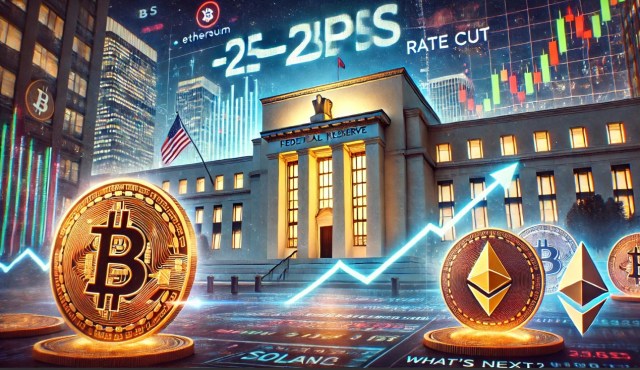
BitcoinWorld Unleash Potential: Flare Network’s FXRP Revolutionizes DeFi Access for XRP The world of decentralized finance (DeFi) is constantly evolving, and a major new development is set to excite XRP enthusiasts. Flare Network has just launched FXRP, an innovative solution designed to bring XRP directly into the heart of DeFi applications. This move opens up a wealth of new possibilities for XRP holders, allowing them to engage with lending, borrowing, and trading platforms like never before. It’s a significant step towards a more interconnected crypto ecosystem. What is FXRP and Why is it a Game-Changer for XRP? At its core, FXRP is an over-collateralized, wrapped version of XRP. Think of it as a digital twin of XRP, but one that lives on the Flare Network. This design is crucial because XRP itself doesn’t natively support smart contracts in the same way that Ethereum or other DeFi-centric blockchains do. Consequently, XRP has largely been excluded from the burgeoning DeFi sector. However, FXRP changes this narrative completely. By wrapping XRP, Flare Network creates a token that can interact with smart contracts on its own blockchain. This means XRP holders can now: Access a wider range of DeFi protocols. Participate in decentralized lending and borrowing. Engage in yield farming opportunities. Trade their XRP on decentralized exchanges. This initiative transforms XRP from a primarily transactional asset into a more versatile, programmable one within the DeFi landscape. How Can You Acquire and Utilize FXRP? Getting your hands on FXRP is straightforward, offering flexibility for users. You have two primary methods to acquire this wrapped token. First, users can mint FXRP directly on the Flare Network. This process typically involves locking up an equivalent amount of XRP as collateral, ensuring the wrapped token remains fully backed. Alternatively, if direct minting isn’t your preference, you can acquire FXRP on various decentralized exchanges (DEXs). Platforms like SparkDEX, BlazeSwap, and Enosys are among the initial venues where you can trade for FXRP. This accessibility makes it easy for existing DeFi users and new participants alike to join the Flare Network ecosystem and explore its offerings. The over-collateralization aspect adds an extra layer of security, providing confidence in the token’s backing. Expanding DeFi Horizons: The Broader Impact of FXRP The introduction of FXRP extends far beyond just enabling XRP holders to participate in DeFi. It has a much broader impact on the entire decentralized finance ecosystem. By integrating a widely adopted asset like XRP, Flare Network significantly boosts the total value locked (TVL) and liquidity available within DeFi. This influx of capital and users can lead to more robust and efficient markets. Moreover, FXRP positions Flare Network as a vital bridge between different blockchain ecosystems. It demonstrates how assets from one chain can gain new functionality and utility on another, fostering greater interoperability. This cross-chain capability is essential for the long-term growth and sustainability of decentralized finance, as it breaks down silos and encourages a more unified digital economy. The potential for future integrations with other tokens and protocols is immense, further solidifying Flare’s role. Navigating the Challenges and Future of FXRP While the launch of FXRP presents exciting opportunities, it’s also important to consider potential challenges. As with any new technology in the crypto space, security remains a paramount concern. The integrity of the wrapping mechanism and the underlying smart contracts must be rigorously maintained. Furthermore, user adoption and education will be key to the success of FXRP. New users need clear guidance on how to safely mint, acquire, and use the token in various DeFi applications. The competitive landscape also plays a role; other wrapped assets exist, and FXRP must demonstrate its unique value proposition. However, with its strong backing and the innovative approach of Flare Network, FXRP is well-positioned for growth. Its ability to unlock XRP’s potential for DeFi is a powerful differentiator, promising a vibrant future for both the token and the network. Actionable Insights: Getting Started with FXRP in DeFi If you’re an XRP holder looking to explore the new opportunities presented by FXRP, here are some actionable insights to help you get started: Do Your Research: Before engaging with any DeFi platform, thoroughly research its reputation, security audits, and user reviews. Understand how FXRP interacts with specific protocols. Understand the Risks: DeFi carries inherent risks, including smart contract vulnerabilities, impermanent loss, and market volatility. Familiarize yourself with these risks before committing funds. Start Small: Consider starting with a small amount of FXRP to familiarize yourself with the process of minting, acquiring, and using it in DeFi applications. Stay Informed: Follow official Flare Network channels and reputable crypto news sources to stay updated on new integrations, security announcements, and community developments related to FXRP. By taking these steps, you can confidently navigate the exciting new world that FXRP opens up for XRP within decentralized finance. In conclusion, the launch of FXRP by Flare Network is a monumental step forward for the XRP community and the broader DeFi ecosystem. It effectively bridges a gap, allowing one of the most widely held cryptocurrencies to participate actively in decentralized finance. This innovation not only expands the utility of XRP but also reinforces Flare Network’s commitment to building a more interconnected and functional blockchain world. As FXRP gains traction, we can expect to see a surge in innovative DeFi applications and a more vibrant, inclusive financial landscape for all. Frequently Asked Questions (FAQs) Q1: What exactly is FXRP? A1: FXRP is an over-collateralized, wrapped version of XRP, specifically designed to enable XRP holders to use their assets within decentralized finance (DeFi) applications on the Flare Network. Q2: How is FXRP different from standard XRP? A2: While FXRP is backed by XRP, its key difference is that it resides on the Flare Network and is compatible with smart contracts. This allows it to be used in DeFi protocols for lending, borrowing, and trading, which standard XRP cannot do natively. Q3: Where can I acquire FXRP? A3: You can acquire FXRP by minting it directly on the Flare Network by locking up XRP, or by purchasing it on decentralized exchanges such as SparkDEX, BlazeSwap, and Enosys. Q4: What are the main benefits of using FXRP in DeFi? A4: The primary benefits include gaining access to a wide array of DeFi services like lending, borrowing, and trading on DEXs, thereby increasing the utility and potential earning opportunities for XRP holders within the decentralized ecosystem. Q5: What is Flare Network’s role in the creation of FXRP? A5: Flare Network is the blockchain platform that hosts FXRP. It provides the smart contract functionality and infrastructure necessary to wrap XRP and enable its use in DeFi applications, acting as a bridge for XRP into the decentralized world. If you found this article insightful and believe in the potential of FXRP to revolutionize DeFi, please share it with your network! Help spread the word about how Flare Network is bridging the gap for XRP holders and expanding the possibilities within decentralized finance. Your support helps grow our community and keeps everyone informed about the latest crypto innovations. To learn more about the latest crypto market trends, explore our article on key developments shaping decentralized finance institutional adoption. This post Unleash Potential: Flare Network’s FXRP Revolutionizes DeFi Access for XRP first appeared on BitcoinWorld.
Share
Coinstats2025/09/24 22:45
Fed Lowers Rates By 25bps: How Bitcoin And Crypto Prices Responded And What’s Next

Fed Lowers Rates By 25bps: How Bitcoin And Crypto Prices Responded And What’s Next

The Federal Reserve (Fed) announced its first interest rate cut of the year, leading to an immediate reaction in the cryptocurrency market. Bitcoin (BTC) experienced a notable decline, dropping below the $115,000 threshold shortly after the announcement.  Expert Predicts Crypto Rally Fed Chair Jerome Powell addressed the current economic landscape, noting that while inflation has […]
Share
Bitcoinist2025/09/18 03:11
XRP Price Outlook As Peter Brandt Predicts BTC Price Might Crash to $42k

XRP Price Outlook As Peter Brandt Predicts BTC Price Might Crash to $42k

The post XRP Price Outlook As Peter Brandt Predicts BTC Price Might Crash to $42k appeared on BitcoinEthereumNews.com. XRP price led cryptocurrency losses on Friday
Share
BitcoinEthereumNews2026/02/06 19:06