

Crypto Payments Go Mainstream: 4 in 10 U.S. Merchants Now Accept Digital Assets
In a clear indicator that cryptocurrency is no longer just a speculative asset but a practical payment method, a major new survey released on January 27, 2026, by PayPal and the National Cryptocurrency Association (NCA) shows that 39% of U.S. merchants are already accepting crypto at checkout.
Generative AIThis milestone, based on a Harris Poll survey conducted in October 2025 among 619 payment strategy decision-makers, highlights accelerating adoption driven overwhelmingly by customer demand rather than hype or regulatory pressure.
Key Findings from the Survey
The research, spanning sectors like retail/e-commerce, hospitality/travel, luxury/specialty, digital goods/gaming, and more, paints a picture of crypto payments moving from experimentation into everyday commerce:
- Current Adoption: 39% of merchants accept cryptocurrency today. This figure is notably higher among large enterprises (annual revenue >$500 million), where 50% have integrated crypto, compared to 34% of small businesses and 32% of midsize firms. Big players are clearly leading the charge, likely due to better resources for integration and a focus on attracting high-value, tech-savvy customers.
- Real Business Impact: Among those accepting crypto, it already accounts for an average of 26% of total sales. 72% of these merchants report that crypto sales have increased over the past year, demonstrating tangible revenue growth once the option is live.
- Customer Demand as the Primary Driver: A whopping 88% of merchants have received inquiries from customers about paying with crypto, and 69% say customers want to use it at least monthly. 79% agree that offering crypto helps attract new customers, turning it into a competitive advantage in customer acquisition and retention.
- Future Outlook: Optimism is high — 84% of merchants believe crypto payments will become commonplace within the next 5 years. Even more striking, 90% say they would adopt crypto if the integration were as straightforward as traditional credit card processing. The main remaining barrier? Simplicity in setup, tools, and compliance.
Broader Context: Why Now?
This surge aligns with several converging trends in early 2026:
- Improved infrastructure: Partnerships like Visa’s recent expansions with Mercuryo for fast crypto-to-fiat off-ramps, stablecoin growth (e.g., USDC/USDT transaction volumes soaring), and platforms like PayPal making merchant onboarding seamless and low-risk (no need to hold volatile assets).
- Regulatory tailwinds: Ongoing discussions in Washington (including White House-brokered meetings on crypto legislation) are creating clearer pathways for compliant adoption.
- Generational shift: Millennials and Gen Z, who lead crypto usage, are increasingly the core demographic for many merchants in travel, digital goods, and gaming — sectors where adoption is strongest.
Quotes from the announcement underscore the momentum:
- “Crypto payments are moving beyond experimentation and into everyday commerce.” — May Zabaneh, VP and GM of Crypto at PayPal.
What This Means for Businesses and Professionals
For merchants still on the sidelines: Customer expectations are shifting fast. Ignoring crypto risks alienating a growing segment of shoppers who prefer faster, borderless, and sometimes lower-fee options. The good news? Tools from PayPal, Stripe (with recent Crypto.com integrations), and others have reduced friction dramatically — volatility hedging, instant settlements, and easy fiat conversion are now standard.
For fintech leaders, payments execs, and blockchain enthusiasts: This isn’t just a U.S. story. It’s part of a global wave where digital assets are becoming embedded in payment rails. As more enterprises lead (50% of large firms already on board), smaller businesses will follow to stay competitive.
The lines between traditional finance and crypto continue to blur. 2026 could be the year payments truly go hybrid.
What about you? Has your organization started accepting crypto payments, or are you evaluating it for 2026? What’s holding back wider adoption in your view — tech, regs, or education? Drop your thoughts in the comments — let’s discuss how this evolves next.
#CryptoPayments #MerchantAdoption #DigitalAssets #FinTech #PayPal #Blockchain #Crypto2026 #PaymentsInnovation #Stablecoins
Crypto Payments Go Mainstream: 4 in 10 U.S. Merchants Now Accept Digital Assets 💳🔗🚀 was originally published in Coinmonks on Medium, where people are continuing the conversation by highlighting and responding to this story.
You May Also Like

OpenVPP accused of falsely advertising cooperation with the US government; SEC commissioner clarifies no involvement
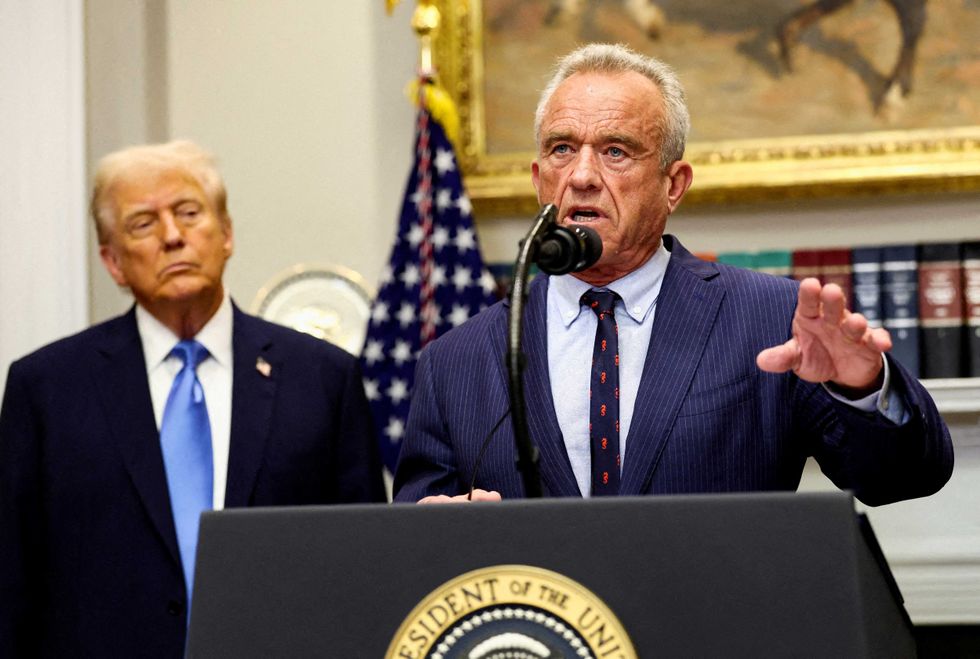
RFK Jr. reveals puzzling reason why he loves working for Trump
