

👨🏿🚀TechCabal Daily – AGOA returns—for now
Happy pre-TGIF. 
In South Africa, the Competition Tribunal approved STANLIB Infrastructure’s acquisition of Cassava Africa Data Centres, home to some of the continent’s most prized digital infrastructure. But the celebration is awkwardly timed, as Cassava’s sister company, Liquid Telecoms, is under financial strain and was recently downgraded to a poor-quality, high-credit-risk investment.
One arm of the group is being described as world-class, and the other as of poor quality. One wonders if trouble in one corner of the empire can stay contained.
- AGOA is back, for now
- Has T2 Mobile finally found its footing?
- S&P says Nigerian banks may make less profits in 2026
- World Wide Web 3
- Job Openings
companies
PwC takes over Koko Networks
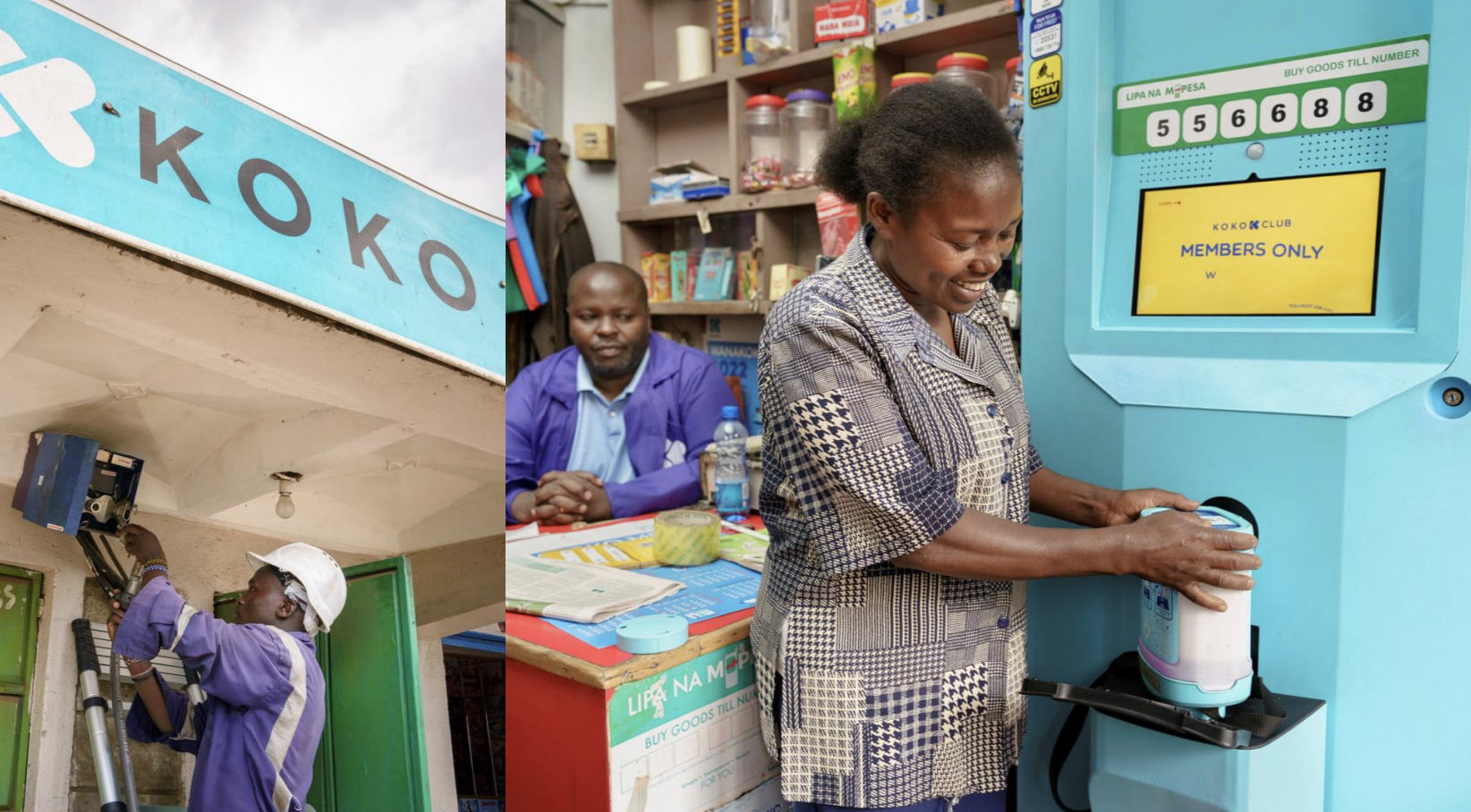 Image source: Koko Networks
PricewaterhouseCoopers, the London-headquartered global professional services company, has taken over Koko Networks after the Kenyan clean-cooking startup formally entered administration.
What does “administration” actually mean? When a company enters administration, it’s no longer being run by its founders or executives. Control moves to independent administrators, typically accountants, whose role is to assess whether the business can be rescued, sold, restructured, or wound down in a manner that recovers more value for creditors than an outright shutdown would.
For those who missed the earlier chapters: On January 31, Koko Networks laid off over 700 employees and shut down operations after it hit a wall with government authorisation. The startup’s business model depended heavily on carbon-credit revenues; when a government authorisation needed to sell those credits abroad didn’t come through, the numbers stopped adding up, and employees had to be laid off. Days later, the startup formally entered administration.
What happens now? PwC’s job is to map out what’s left, including assets, infrastructure, debts, and liabilities. They’ll decide whether any part of Koko can be sold or restructured and how much creditors can realistically recover. Anyone with a claim has 14 days to submit it. This doesn’t really guarantee a Koko comeback. It is a period of uncertainty where numbers are deciding the startup’s future.
FINCRA X ATS Nairobi 2026

As Headline Sponsor of ATS 2026, Fincra is building the financial rails that connect Africa to the global financial ecosystem through resilient infrastructure that delivers. Get started with Fincra.
business
AGOA is back, for now, and Kenya is excited
 Image source: Tenor
The African Growth and Opportunity Act (AGOA) has been renewed by the United States, extending duty-free access for eligible African exports until December 31, 2026. For Kenya, that renewal keeps a major trade door (one that was really close to slamming shut) open.
What is AGOA, anyway? It’s a US trade programme that allows eligible African countries to export certain goods to the United States duty-free, meaning goods can enter the country without paying import taxes. For these African countries, including Kenya, it has provided predictability on tariffs and long-term access to US buyers. AGOA briefly expired in September 2025, which threatened over 66,000 jobs in Kenya’s export processing zones (EPZs).
What Kenyans did without AGOA: When US access looked shaky, competitors like China swooped in and proposed a sweeping zero-tariff deal that would cover Kenyan-made goods. This would have helped soften the blow, but it didn’t replace AGOA’s access to high-value US supply chains.
AGOA’s return doesn’t cancel Kenya’s other trade options. While duty-free access to the US is back, the zero-tariff trade offer previously extended by China has not been publicly recalled. That means Kenyan exporters now have preferential entry into two major markets. But this relief is temporary, as AGOA now runs only until the end of 2026. Companies can keep shipping to the US, but long-term investments, like new factories and expansion efforts, remain risky until there’s clarity beyond that date.
Discover providers and manage logistics in one secure platform.

Logistics Marketplace connects logistics buyers with logistics providers across Africa. Build your profile, respond to tenders, and grow your business. Free, backed by Global Fund & Gates Foundation. Use Access Code: WELCOME2026!
telecoms
Has T2 Mobile finally found its footing?
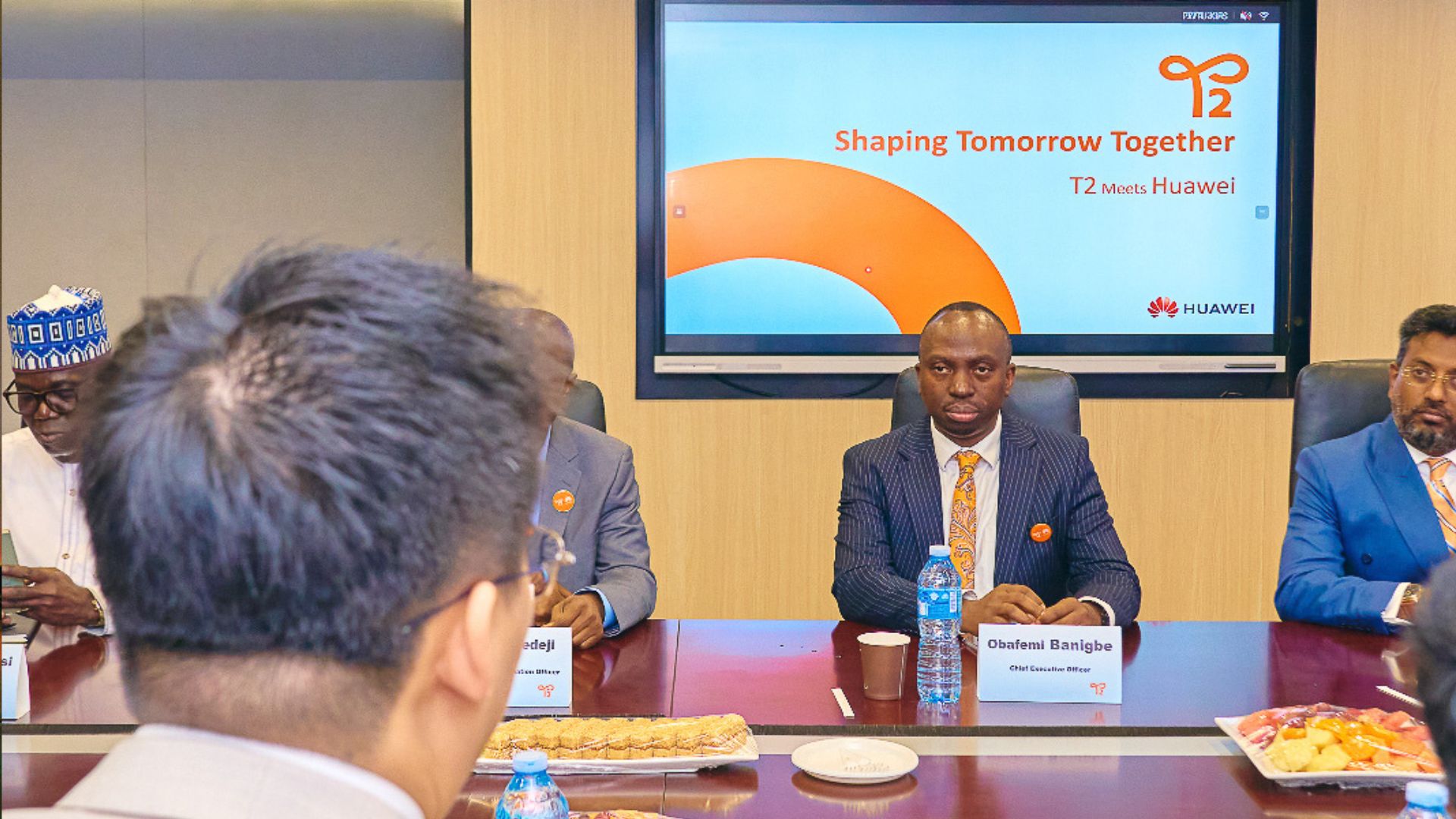 Image source: T2 Mobile
After years of shrinking numbers, T2 Mobile, the telco that rebranded from 9mobile, has recorded its first full quarter of consecutive internet subscriber growth. The increase is modest, with just over 9,000 users added in December 2025, but in a market where the operator had been steadily losing ground, the direction matters.
Why this is different: The growth comes after a rough post-rebrand dip in August and September, where T2’s internet subscriber base fell sharply to 744,044 (its first time below the one-million mark). However, since October, subscriber numbers have risen month after month, pointing to stabilisation.
What’s driving the uptick? Two things stand out. One is T2’s national roaming deal with MTN Nigeria, which aimed to improve coverage in weak areas without forcing customers to port SIMs, and the telecom operator’s recent network upgrades and spectrum use have improved speeds.
Can T2 win back ground from MTN or Airtel? Not immediately. Airtel Nigeria and MTN still dominate the telecoms market in terms of scale and market share. But T2 may not necessarily need to win the market to survive. It ranked first in rural download speeds at about 24.9 Mbps and second nationally for overall user experience. If it keeps stabilising, T2 can create its own niche in serving users underserved by the big players.
TechCabal Insight’s State of Tech in Africa report
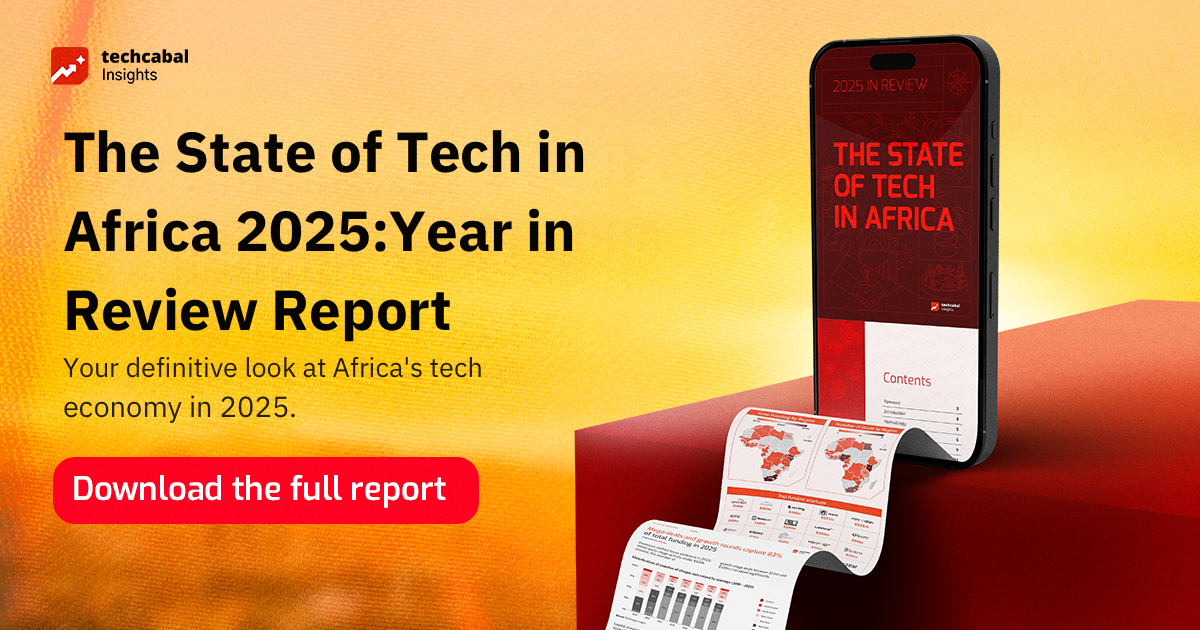
In 2025, the African tech ecosystem entered an era of consolidation and market maturity.
Strategic growth drove M&A deals to a record high of 67, yet this pursuit of efficiency came at a cost: 2,421 layoffs and 18 disclosed startup shutdowns signalled the definitive end of the “growth at all costs” era. Read the full report here
banking
S&P says Nigerian banks may make less profits in 2026
 Image source: TechCabal
S&P Global Ratings, one of the world’s biggest credit rating agencies, predicts that Nigerian banks will still make strong profits in 2026, but slightly less than they did in 2024 and 2025.
What exactly did they predict?. Nigerian banks made about 25% return on equity in 2025; that is, how much profit banks make on shareholders’ money. S&P expects that to fall to 20–23% in 2026, meaning banks will still make money, just not as easily as they did before.
Why profits are expected to cool: The big reason is that the gains banks enjoyed in 2024 came from foreign exchange revaluation and high interest rates, with rates raised six times to curb inflation and support the Naira. Those gains were one-off. As FX gains slow and interest rates stabilise, profits naturally come down. At the same time, costs haven’t gone away. Banks still pay heavy regulatory charges like the Asset Management Corporation of Nigeria (AMCON) levy, estimated to account for 15% to 20% of banks’ total operating costs.
The slowdown has started. In 2025, profits at five of the biggest banks, including Access Holdings and Zenith Bank, fell by 15% in the first nine months of 2025. A marginal decline doesn’t mean banks are about to become unprofitable. It means growth will slow and competition will intensify. In this era, profits’ strengthwill depend more on steady business than on lucky economic boosts.
Attend Africa Tech Summit, Nairobi

Africa Tech Summit Nairobi, powered by Fincra takes place on Feb 11 & 12, 2026. Connect with Binance, Moniepoint, VALRdotcom, Andela, Cardano, Wada, ConduitPay & more. Rates increase on 6 February
CRYPTO TRACKER
The World Wide Web3
Source:

|
Coin Name |
Current Value |
Day |
Month |
|---|---|---|---|
| Bitcoin | $70,640 |
– 7.29% |
– 24.55% |
| Ether | $2,098 |
– 7.22% |
– 24.82% |
| BNB | $693 |
– 8.19% |
– 23.34% |
| Solana | $91.33 |
– 6.35% |
– 34.28% |
* Data as of 06.52 AM WAT, February 5, 2026.
JOB OPENINGS
- Big Cabal Media — Associate Videographer/Video Editor (full-time); Senior Financial Analyst (full-time); Zikoko Citizen Reporter (full-time); Content Creator (contract); Journalist (contract); Project Associate (contract); Senior Editor (contract); Senior Writer (contract) — Lagos, Nigeria
- Piggyvest — Senior Accounting Associate, Customer Success Intern — Lagos, Nigeria
- Buffer — Senior Engineer, Growth Marketing — Remote
- Moniepoint — Several roles — Remote (Nigeria)
- FirstBank — Business Development Lead, eCommerce & Retail — Lagos, Nigeria
- Wave — Machine Learning Scientist — Nairobi, Kenya
- Pavago — Customer Success Manager — Remote (Kenya)
There are more jobs on TechCabal’s job board. If you have job opportunities to share, please submit them at bit.ly/tcxjobs.
- CWG grows profit 84% on strong software and IT services sales
- Everything you need to know about 2026 UTME registration Tycoon Elumelu’s Startup Weighs Raising $100 Million to Expand
Written by: Opeyemi Kareem
Edited by: Ganiu Oloruntade
Want more of TechCabal?
Sign up for our insightful newsletters on the business and economy of tech in Africa.
- The Next Wave: futuristic analysis of the business of tech in Africa.
- Francophone Weekly by TechCabal: insider insights and analysis of Francophone’s tech ecosystem
P:S If you’re often missing TC Daily in your inbox, check your Promotions folder and move any edition of TC Daily from “Promotions” to your “Main” or “Primary” folder and TC Daily will always come to you.

You May Also Like

Best Crypto to Buy as Saylor & Crypto Execs Meet in US Treasury Council

Optimizely Named a Leader in the 2026 Gartner® Magic Quadrant™ for Personalization Engines
