

House Bill Seeks To Shut Down Sports Predictions: What You Need to Know
Cryptsy - Latest Cryptocurrency News and Predictions
Cryptsy - Latest Cryptocurrency News and Predictions - Experts in Crypto Casinos
As an investor or business professional navigating fast-moving markets, you’re likely aware of the growing influence of sports prediction platforms, especially those intertwined with cryptocurrencies. But a new house bill aims to disrupt this landscape significantly by shutting down many of these sports prediction services. This legislative move has stirred a lot of debate, raising questions about the future of these markets and your role within them. Let’s break down what this bill means for you and the broader industry.
Key Takeaways
- The proposed House bill aims to ban sports prediction platforms that involve monetary stakes, targeting unregulated speculative activities.
- This legislation could force many sports prediction services, especially crypto-based platforms, to shut down or pivot their business models.
- The bill seeks to protect consumers by enforcing stricter regulations similar to traditional gambling laws, reducing risks associated with unregulated markets.
- Crypto and blockchain-based sports prediction platforms face significant legal challenges due to the bill, potentially stifling innovation and market growth.
- Investors and traders should evaluate their exposure to crypto-driven prediction markets and remain cautious amid regulatory uncertainty.
- The bill may influence broader sports betting regulations and prompt jurisdictional shifts toward more stringent oversight of blockchain-integrated betting systems.
Overview Of The Proposed Legislation
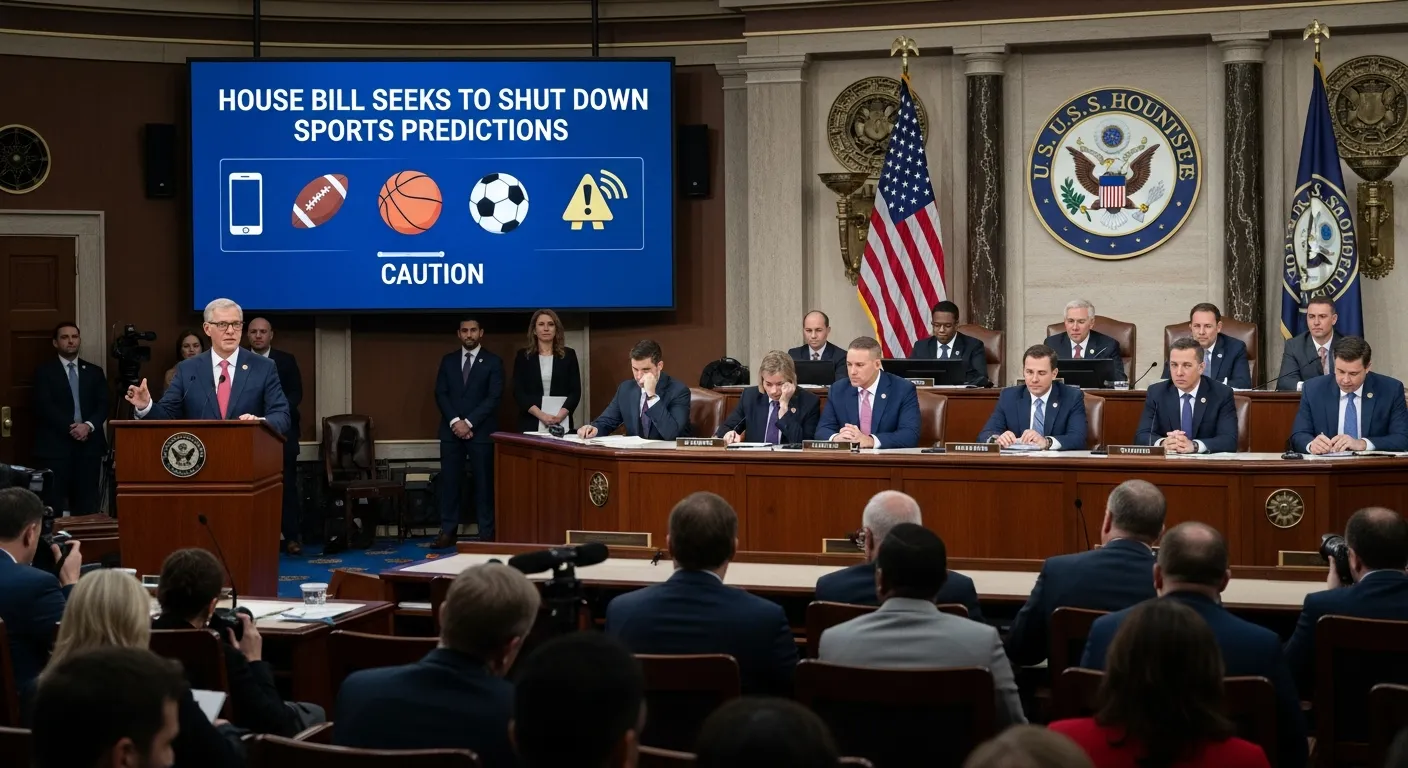
The bill in question proposes a sweeping ban on sports prediction platforms, targeting any service that offers predictions based on real-world sports outcomes. The motivation seems clear: lawmakers want to curb what they see as risky speculative activities that could harm consumers and undermine regulated betting frameworks.
Historical Context Of Sports Predictions In Legislation
Sports predictions haven’t always been in a legal gray area. Historically, these kinds of activities were often considered gambling, which meant they fell under strict regulatory oversight. But, with the rise of online platforms and blockchain technology, the line has blurred. Until now, many prediction services have operated in somewhat of a gray zone, allowing innovative ways for people to engage with sports beyond traditional betting. This bill marks a firm stance against that ambiguity, aiming to close loopholes and reinforce clear legal boundaries.
Key Provisions And Objectives Of The Bill
At its core, the bill seeks to prohibit the operation, advertisement, and use of digital platforms offering sports predictions tied to monetary stakes unless specifically licensed under gambling laws. It emphasizes protecting consumers from unregulated exposure while attempting to maintain the integrity of established sports betting channels.
Impact On Sports Prediction Markets And Platforms
For businesses running prediction markets, this legislation could mean shutting down major parts of their operations overnight. Many platforms rely on user engagement through predictive contests and data-driven forecasting, often incorporating cryptocurrencies as stakes or rewards. If the bill passes as is, you could see a significant reduction in options for users seeking alternatives to traditional sportsbooks. That will reshape the industry and likely push some platforms to pivot or exit the market entirely.
Legal Challenges And Industry Response
Unsurprisingly, this bill has met resistance. Some industry players argue the legislation overreaches by not distinguishing between outright gambling and predictive analytics, a key differentiation for many crypto-based platforms. There are questions about whether this bill might infringe on free speech or limit financial innovation.
Intersection With Cryptocurrency And Blockchain Technologies
Cryptocurrency companies involved in sports predictions have raised concerns about how the bill could restrict blockchain innovations used for transparency and fairness in these markets. Many of these platforms operate globally and use decentralized methods to circumvent traditional jurisdictional limits. This creates a complex legal landscape, as regulators struggle to impose local laws on inherently borderless technologies. It’s a space still ripe with legal uncertainty, and the industry’s pushback is focused on finding balanced, workable solutions rather than outright bans.
Potential Effects On Crypto-Based Prediction Markets
If enforced, the bill could significantly dampen crypto-driven prediction market growth. Many of these markets offer unique opportunities for investors to diversify betting activities using tokens or digital assets. The technology behind them allows faster settlements and often greater transparency than conventional betting systems.
Implications For Investors And Traders In Crypto Ecosystems
For you as an investor or trader, this creates both risks and considerations. The sudden regulatory clampdown may hurt market liquidity and increase compliance costs. More importantly, the volatility in crypto tokens associated with prediction platforms could spike if users rush to exit. Staying informed and cautious is critical. It might also be time to evaluate your exposure to these assets and consider the legal environment shaping their future performance.
Broader Consequences For The Sports Betting And Prediction Industry
Beyond crypto, the bill could signal a shift in how the entire sports betting and prediction industry is regulated moving forward. The hard line approach may prompt other jurisdictions to reconsider their regulatory frameworks, especially concerning the integration of blockchain technology in betting.
Future Outlook And Possible Amendments
While the current form of the bill looks strict, legislative processes often yield amendments after consultations with industry stakeholders. Future versions could introduce licensing options for certain types of prediction markets or clearer definitions separating cheating and fraud from legitimate predictive analytics. For now, expect ongoing debates and stay tuned for updates, because these changes will ripple through the market over the coming months and years.
Conclusion
This proposed legislation marks a pivotal moment for sports prediction markets, especially those leveraging cryptocurrencies and blockchain technologies. For you, whether as an active trader, investor, or business observer, understanding these changes is essential to navigating future risks and opportunities. While the bill aims to protect consumers and uphold legal standards, its ripple effects will reshape the industry landscape in ways that you can’t ignore. Keeping a close eye on developments will help ensure you stay ahead in this shifting environment and safeguard your investments accordingly.
Frequently Asked Questions about the House Bill on Sports Predictions
What does the new house bill propose regarding sports prediction platforms?
The bill seeks to ban sports prediction platforms that offer predictions based on real-world outcomes, aiming to prohibit their operation, advertisement, and use unless they are licensed under gambling laws.
How might this bill affect crypto-based sports prediction markets?
If enforced, the bill could significantly restrict crypto-driven prediction markets by shutting down many platforms, reducing user options, and potentially slowing growth in this innovative sector.
Why are lawmakers targeting sports predictions with this legislation?
Lawmakers want to curb risky speculative activities that could harm consumers and disrupt regulated betting frameworks, reinforcing clear legal boundaries in what has been a regulatory gray area.
What legal challenges has the bill faced from the industry?
Industry players argue the bill overreaches by not distinguishing between gambling and predictive analytics, raising concerns over free speech limitations and impacts on financial innovation, especially related to blockchain.
How should investors in crypto ecosystems respond to this proposed legislation?
Investors should stay informed, evaluate their exposure to prediction market tokens, and prepare for increased volatility or liquidity risks due to potential regulatory clampdowns affecting these assets.
Could the bill’s approach influence sports betting regulations in other jurisdictions?
Yes, the bill’s strict stance may prompt other regions to reconsider their regulatory frameworks, particularly about integrating blockchain technologies within sports betting and prediction industries.
The post House Bill Seeks To Shut Down Sports Predictions: What You Need to Know first appeared on Cryptsy - Latest Cryptocurrency News and Predictions and is written by Ethan Blackburn
You May Also Like

Crypto Shows Mixed Reaction To Rate Cuts and Powell’s Speech

Hedera (HBAR) Price Today, Chart & Market Cap | Live HBAR to USD Converter
