

Christie's Shuts Down Digital Art Department Amid NFT Market Decline
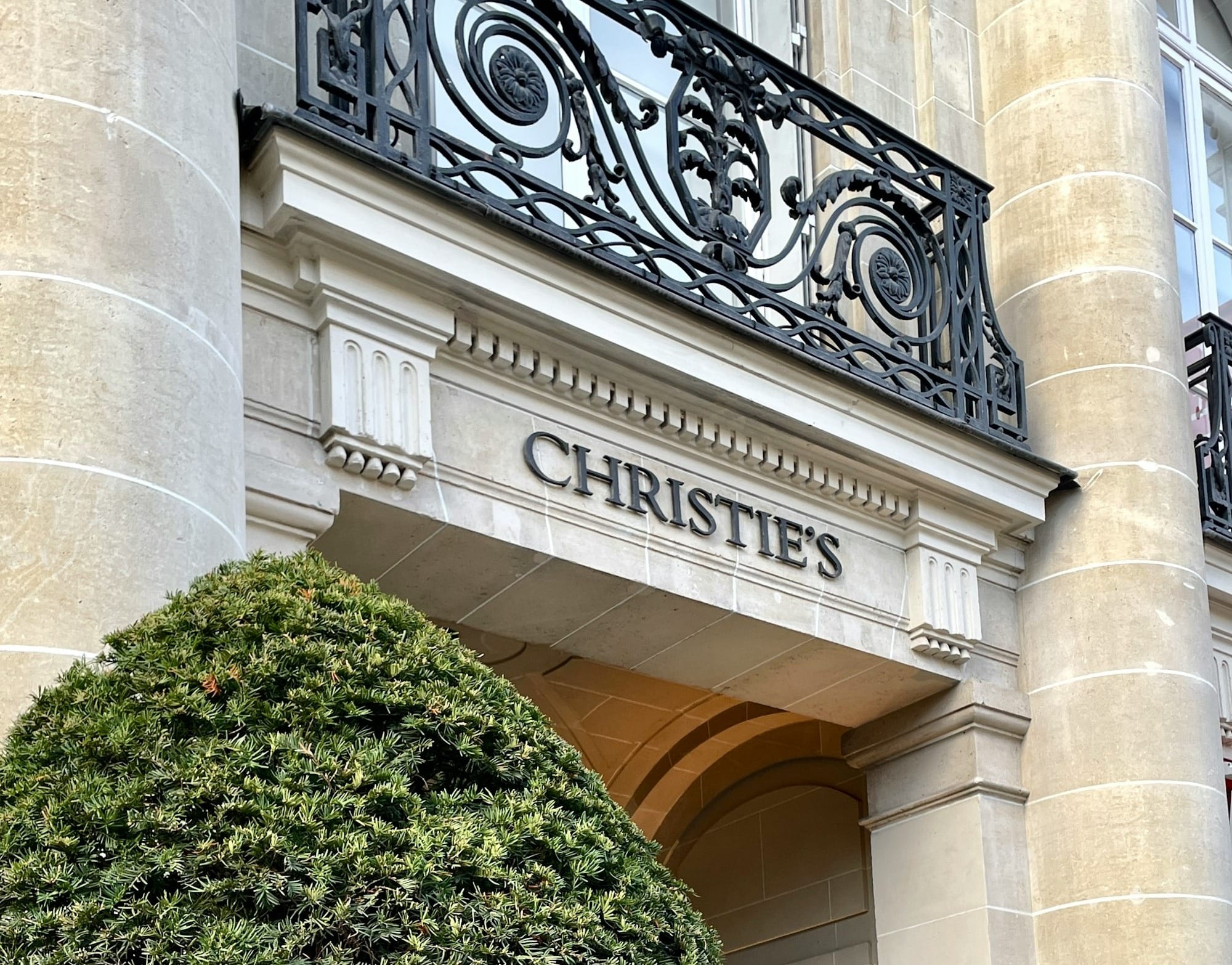
Christie's has quietly dissolved its standalone digital art department, ending a pioneering but brief chapter in the auction house's efforts to mainstream NFTs and AI-generated artwork.
The global auction house confirmed it "made a strategic decision to reformat digital art sales" and will continue selling digital works within its broader 20th and 21st Century Art category, according to a statement, Now Media reported.
Two department staff members were terminated in late August, including vice president of digital art Nicole Sales Giles, with only one digital art specialist remaining in New York.
The closure reflects broader challenges facing both traditional art markets and the digital art sector. Christie's reported $1.5 billion in fine art sales for the first half of 2025, down 1.9% from the previous year and nearly 25% below 2023 levels, according to Artnet's Mid-Year Intelligence Report.
The NFT art market has experienced an even sharper contraction. Trading volumes plummeted from $2.97 billion in 2021 to just $197 million in 2024, according to DappRadar analysis. Multiple digital art platforms including Async Art, KnownOrigin, and LG Art Lab have shuttered operations.
Christie's had been a leader in legitimizing digital art within traditional auction circles. The house made headlines in 2018 by selling the first AI-generated portrait at auction for $432,500, and launched its annual Art + Tech Summit the same year.
The department's defining moment came in March 2021 with the record-breaking $69 million sale of Beeple's "Everydays: The First 5000 Days," which sparked widespread NFT adoption across the art world. The success prompted Christie's to establish a dedicated digital art team and launch Christie's 3.0, its blockchain-based collecting platform, in 2022.
However, subsequent digital art sales failed to match that initial momentum. While Christie's continued hosting dedicated digital art auctions, including this year's "Augmented Reality" sale focused on AI art that generated $700,000, the volumes couldn't justify maintaining a separate department structure, Now Media said.
Rival auction house Sotheby's similarly downsized its Metaverse and NFT team last year, retaining only three specialists including digital art head Michael Bouhanna, Art Net reported.
The department's closure marks the end of Christie's experiment with treating digital art as a distinct collecting category, though the house indicated it will continue selling such works alongside traditional contemporary pieces.
You May Also Like
SEC Clears Path for ‘Waves’ of Crypto ETFs With New Listing Standards

royalwelt.com Reinforces Platform Reliability Measures Amid Heightened Global Market Volatility

Crypto execs met with US lawmakers to discuss Bitcoin reserve, market structure bills
Lawmakers in the US House of Representatives and Senate met with cryptocurrency industry leaders in three separate roundtable events this week. Members of the US Congress met with key figures in the cryptocurrency industry to discuss issues and potential laws related to the establishment of a strategic Bitcoin reserve and a market structure.On Tuesday, a group of lawmakers that included Alaska Representative Nick Begich and Ohio Senator Bernie Moreno met with Strategy co-founder Michael Saylor and others in a roundtable event regarding the BITCOIN Act, a bill to establish a strategic Bitcoin (BTC) reserve. The discussion was hosted by the advocacy organization Digital Chamber and its affiliates, the Digital Power Network and Bitcoin Treasury Council.“Legislators and the executives at yesterday’s roundtable agree, there is a need [for] a Strategic Bitcoin Reserve law to ensure its longevity for America’s financial future,” Hailey Miller, director of government affairs and public policy at Digital Power Network, told Cointelegraph. “Most attendees are looking for next steps, which may mean including the SBR within the broader policy frameworks already advancing.“Read more