

Google Vids Unleashes AI Avatar Control: Direct Characters with Simple Prompts in Major 2025 Update
BitcoinWorld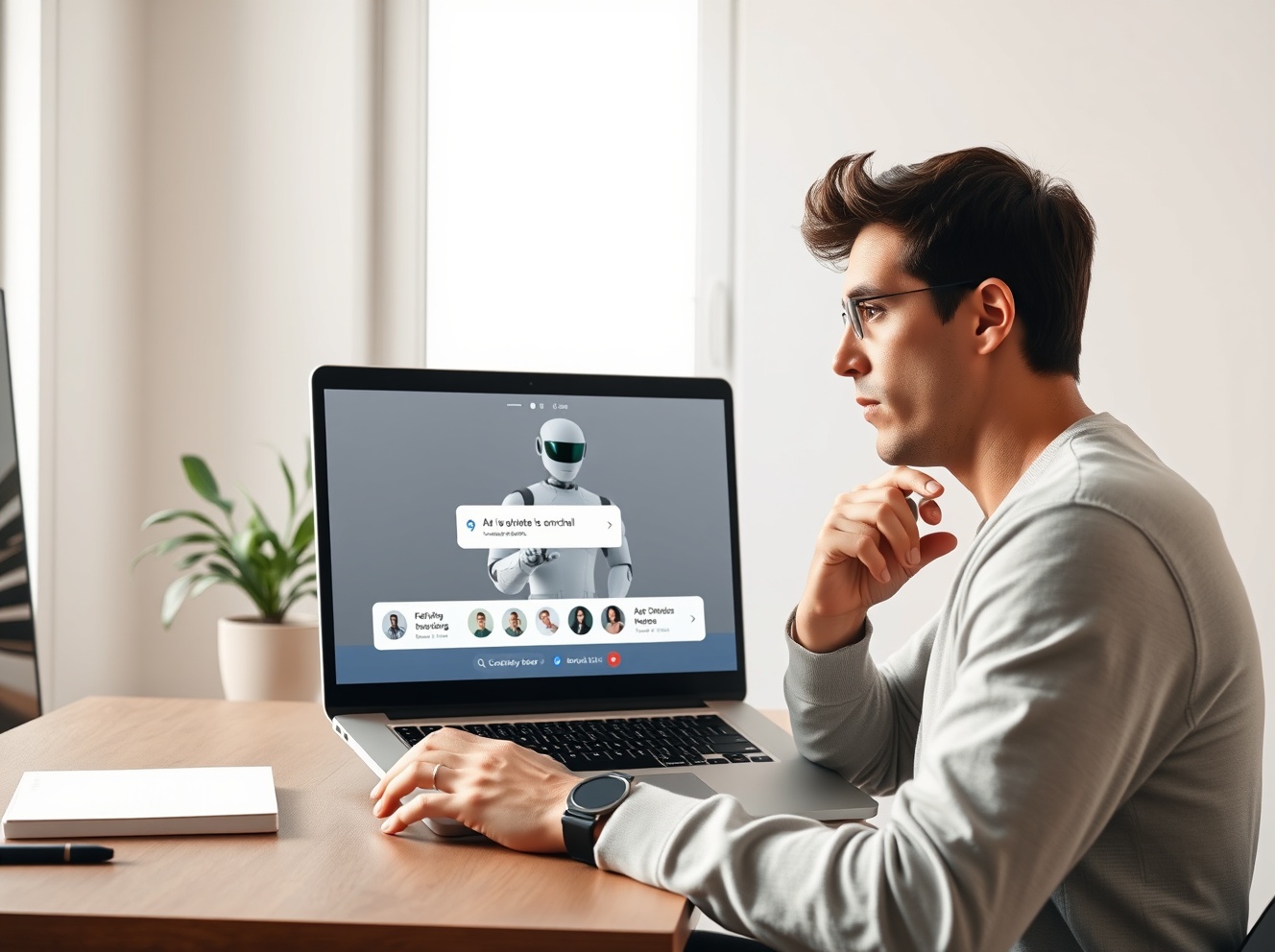
Google Vids Unleashes AI Avatar Control: Direct Characters with Simple Prompts in Major 2025 Update
In a significant move that redefines user-friendly AI video production, Google has supercharged its Vids application with intuitive prompt-based avatar direction, Veo 3.1 integration, and seamless YouTube export capabilities. Announced on Thursday, this comprehensive suite of features marks Google’s latest strategic push to dominate the burgeoning AI-assisted content creation space, directly challenging established players. The update fundamentally changes how individuals and businesses can produce professional-grade video content by removing complex technical barriers.
Google Vids Transforms Video Creation with Prompt-Driven Avatars
Google’s most notable addition empowers users to direct AI avatars using natural language text prompts. Consequently, creators can now type simple instructions like “avatar points to the new product feature” or “character demonstrates the exercise equipment” to generate dynamic scenes. This system maintains impressive character consistency across different actions and scenes, a technical hurdle many AI video tools struggle to overcome. Furthermore, the customization extends beyond actions. Users can tailor an avatar’s appearance, change its apparel, and generate entirely new backgrounds—all through descriptive prompts aligned with their video’s theme.
This development represents a logical evolution from Google’s earlier introduction of AI avatars to Vids in 2024. Initially targeting enterprise users, the app has rapidly expanded its consumer-facing tools. The prompt-based system significantly lowers the skill ceiling for video production, enabling marketers, educators, and small business owners to create engaging content without actors, cameras, or advanced editing software.
The Competitive Landscape of AI Video Tools
Google Vids now enters a more direct competition with specialized platforms. Companies like Synthesia and HeyGen have pioneered AI avatar technology for corporate training and explainer videos. Meanwhile, tools like D-ID focus on animating still photos, and newcomers like Lemon Slice offer alternative approaches. Google’s distinct advantage lies in its integration within the broader Workspace ecosystem and its leveraging of foundational AI models like Veo and Lyria. This creates a cohesive content creation suite rather than a standalone tool.
Veo 3.1 and Lyria Models Power Advanced Media Generation
Underpinning the new avatar features is the integration of Google’s latest generative media models. The Veo 3.1 video generation model is now accessible within Vids, allowing users to create eight-second video clips directly inside the editor. Google is adopting a generous freemium model for this capability, offering all users 10 free Veo generations per month. Power users on Google AI Ultra and Workspace AI Ultra plans receive a substantial allowance of up to 1,000 generations monthly.
For audio, Google has incorporated its Lyria 3 and Lyria 3 Pro models. These AI systems enable users to generate custom sound effects or royalty-free music tracks to accompany their videos. This end-to-end generative approach—covering video, audio, and character animation—positions Vids as a potentially all-in-one solution for AI-powered media creation. The technical consistency between these models, all developed by Google DeepMind, ensures smoother interoperability and output quality.
Streamlined Publishing with Direct YouTube Export
Recognizing YouTube as the primary destination for most video content, Google has eliminated a key workflow friction point. Users can now export their finished videos directly from Google Vids to their YouTube channel, bypassing the download-and-reupload process. All videos exported through this method are automatically set to “Private” on YouTube. This crucial setting provides a safety net, allowing creators to review the final product, add metadata, and schedule publication without the risk of premature public release.
This feature exemplifies Google’s strategy of creating seamless connections between its productivity and consumer platforms. It saves time, reduces errors, and simplifies the content pipeline from creation to publication. For businesses managing multiple channels or individuals producing regular content, this integration could significantly enhance productivity.
Expanding Global Reach with Language and Avatar Updates
Google’s commitment to global accessibility is evident in recent Vids updates. In February, the company expanded voiceover support to seven new languages: French, German, Italian, Korean, Portuguese, Spanish, and Japanese. This move opens the tool to a vast non-English speaking market. Additionally, the introduction of 2D and 3D cartoon-style avatars provides more stylistic variety, catering to different brand identities and content tones beyond the photorealistic options.
New Chrome Extension Enhances Capture Capabilities
Complementing the generative features, Google has added a practical screen recording tool via a new Chrome extension. This extension allows users to capture their screen activity with accompanying audio or video narration from their webcam. The recorded clips can then be imported directly into Vids for editing, blending seamlessly with AI-generated assets. This is particularly valuable for creating software tutorials, product demonstrations, or presentation recordings, merging real-world screen activity with AI-enhanced explanations and graphics.
The extension underscores Google’s focus on holistic workflow solutions. Instead of forcing users to juggle multiple third-party tools for recording and editing, Vids aims to provide a unified environment. This reduces complexity and potential compatibility issues, making professional video creation more accessible to a broader audience.
Conclusion
Google’s latest update to Vids represents a strategic consolidation of its AI video editing ambitions. By combining prompt-directed avatars, advanced generative models from Veo and Lyria, direct YouTube publishing, and practical capture tools, Google is building a formidable, integrated platform. The focus on natural language control democratizes high-quality video production, aligning with broader trends in human-centric AI design. As competition intensifies in the AI video tool space, Google’s deep integration across its ecosystem and its commitment to accessibility through freemium models and multilingual support position Google Vids as a major contender for both enterprise and consumer content creation in 2025 and beyond.
FAQs
Q1: How do you direct an avatar in Google Vids?
You use natural language text prompts in the Vids editor. For instance, typing “make the avatar smile and hold up the product” will generate that specific action while maintaining the character’s consistent appearance.
Q2: Is Google Vids free to use?
Google Vids operates on a freemium model. Core editing features are available, and all users receive 10 free generations per month using the Veo 3.1 model. Higher usage tiers require a Google AI Ultra or Workspace AI Ultra subscription.
Q3: Can videos made in Google Vids be used commercially?
Yes, content created using assets generated by Google’s AI models within Vids, including avatars, Veo clips, and Lyria audio, is generally licensed for commercial use. However, users should always review Google’s current Terms of Service for specific licensing details.
Q4: What is the main advantage of the direct YouTube export feature?
It streamlines the publishing workflow by allowing you to send a finished video directly to your YouTube channel as a private upload from within Vids. This eliminates the steps of downloading a file and manually uploading it to YouTube.
Q5: How does Google Vids compare to tools like Synthesia?
While both offer AI avatar creation, Google Vids is positioned as a more comprehensive video editing suite integrated with other Google Workspace tools. It combines avatar generation with Veo for video clips, Lyria for audio, screen recording, and direct publishing, whereas Synthesia focuses more deeply on avatar-driven video production.
This post Google Vids Unleashes AI Avatar Control: Direct Characters with Simple Prompts in Major 2025 Update first appeared on BitcoinWorld.


Ayrıca Şunları da Beğenebilirsiniz

Disgraced comedian returns to mainstream after admitting to sexual misconduct

Circle Reveals Wrapped Bitcoin Product With Real-Time Onchain Reserve Verification – Crypto News Bitcoin News



