The post Bitcoin Core v30.0 is officially released with lower fees, an upgraded wallet and GUI, and an expanded OP_RETURN data limit appeared on BitcoinEthereumNews.com. The anticipated update to the Bitcoin network, Bitcoin Core v30.0, has been officially released and is available for download to node operators. According to release notes shared by Bitcoin Core, the update brings performance improvements and bug fixes. However, many devs and Bitcoin supporters are opposing an update to OP_RETURN, which lets users attach data of up to 100,000 bytes (100KB) instead of the previous 83 byte limit. What are the major changes in Bitcoin Core v30.0? One of the major updates in Bitcoin Core is lower default fees. Nodes can relay transactions between peers with fees as low as 0.1 sat/vB. Miners, on the other hand, will be able to include transactions in the next block with a minimum fee of 0.001 sat/vB.  OP_RETURN, which lets Bitcoin users attach data, like special messages, has more room to attach data, from 83 bytes to 100KB. OP_RETURN has multiple outputs instead of the previous single output. The increase in data limit lets users attach hashes, certificates, or even art metadata.  Moreover, Bitcoin Core v30.0 no longer supports BDB wallets. Users must migrate to descriptor wallets, which are safer and easier to back up. Wallet commands such as importwallet and dumpwallet are also gone. The update also brings TRUC transactions, which avoid transaction conflicts while they wait for confirmation. Another new command is bitcoin, which simplifies how node operators and miners interact with Bitcoin Core. Also, typing bitcoin node, bitcoin gui, or bitcoin rpc replaces multiple older commands. Miners can connect directly to Bitcoin Core with an experimental PC Mining Interface, which works through local sockets, making block template requests faster. The graphical user interface (GUI) received multiple updates as well. The graphical toolkit was updated from Qt5 to Qt6. Dark mode for Windows users is now supported, and on macOS, the… The post Bitcoin Core v30.0 is officially released with lower fees, an upgraded wallet and GUI, and an expanded OP_RETURN data limit appeared on BitcoinEthereumNews.com. The anticipated update to the Bitcoin network, Bitcoin Core v30.0, has been officially released and is available for download to node operators. According to release notes shared by Bitcoin Core, the update brings performance improvements and bug fixes. However, many devs and Bitcoin supporters are opposing an update to OP_RETURN, which lets users attach data of up to 100,000 bytes (100KB) instead of the previous 83 byte limit. What are the major changes in Bitcoin Core v30.0? One of the major updates in Bitcoin Core is lower default fees. Nodes can relay transactions between peers with fees as low as 0.1 sat/vB. Miners, on the other hand, will be able to include transactions in the next block with a minimum fee of 0.001 sat/vB.  OP_RETURN, which lets Bitcoin users attach data, like special messages, has more room to attach data, from 83 bytes to 100KB. OP_RETURN has multiple outputs instead of the previous single output. The increase in data limit lets users attach hashes, certificates, or even art metadata.  Moreover, Bitcoin Core v30.0 no longer supports BDB wallets. Users must migrate to descriptor wallets, which are safer and easier to back up. Wallet commands such as importwallet and dumpwallet are also gone. The update also brings TRUC transactions, which avoid transaction conflicts while they wait for confirmation. Another new command is bitcoin, which simplifies how node operators and miners interact with Bitcoin Core. Also, typing bitcoin node, bitcoin gui, or bitcoin rpc replaces multiple older commands. Miners can connect directly to Bitcoin Core with an experimental PC Mining Interface, which works through local sockets, making block template requests faster. The graphical user interface (GUI) received multiple updates as well. The graphical toolkit was updated from Qt5 to Qt6. Dark mode for Windows users is now supported, and on macOS, the…

Bitcoin Core v30.0 is officially released with lower fees, an upgraded wallet and GUI, and an expanded OP_RETURN data limit

2025/10/13 06:38

The anticipated update to the Bitcoin network, Bitcoin Core v30.0, has been officially released and is available for download to node operators.

According to release notes shared by Bitcoin Core, the update brings performance improvements and bug fixes. However, many devs and Bitcoin supporters are opposing an update to OP_RETURN, which lets users attach data of up to 100,000 bytes (100KB) instead of the previous 83 byte limit.

What are the major changes in Bitcoin Core v30.0?

One of the major updates in Bitcoin Core is lower default fees. Nodes can relay transactions between peers with fees as low as 0.1 sat/vB. Miners, on the other hand, will be able to include transactions in the next block with a minimum fee of 0.001 sat/vB. 

OP_RETURN, which lets Bitcoin users attach data, like special messages, has more room to attach data, from 83 bytes to 100KB. OP_RETURN has multiple outputs instead of the previous single output. The increase in data limit lets users attach hashes, certificates, or even art metadata. 

Moreover, Bitcoin Core v30.0 no longer supports BDB wallets. Users must migrate to descriptor wallets, which are safer and easier to back up. Wallet commands such as importwallet and dumpwallet are also gone. The update also brings TRUC transactions, which avoid transaction conflicts while they wait for confirmation.

Another new command is bitcoin, which simplifies how node operators and miners interact with Bitcoin Core. Also, typing bitcoin node, bitcoin gui, or bitcoin rpc replaces multiple older commands. Miners can connect directly to Bitcoin Core with an experimental PC Mining Interface, which works through local sockets, making block template requests faster.

The graphical user interface (GUI) received multiple updates as well. The graphical toolkit was updated from Qt5 to Qt6. Dark mode for Windows users is now supported, and on macOS, the Metal graphics are available for smoother performance. 

Other updates include fixing five low-severity bugs. The full details of bug fixes will be released within two weeks. Any node operating Bitcoin Core v27.x will no longer receive newer updates since v27.x is now labeled “End of Life” according to release notes from Bitcoin Core.

What’s the controversy about Core v30.0?

The increase of OP_RETURN’s data limit from 83 bytes to 100,000 bytes (100KB) received heavy criticism from developers and Bitcoin supporters. As mentioned above, OP_RETURN now lets users attach more data and allows multiple OP_RETURN outputs in a one transaction.

The Bitcoin Knots community, led by developer Luke Dashjr and Bitcoin Mechanic, opposed the new changes to OP_RETURN.

They argued that increasing the data limit could force node operators to host illegal or harmful content, such as explicit material or malicious code. This could pose legal issues for node operators. 

The Knots community believes that Bitcoin should focus on money transfer, not file storage. In contrast, Bitcoin Core developers say the changes only adjust the memory pool (mempool) policy. It will not affect Bitcoin’s consensus rules. 

In September, Bitcoin Core developers planned to deprecate user control over the OP_RETURN data limit. That would have forced node operators to accept higher data limits without the option to reduce them. 

After backlash, Core maintainer Ava Chow restored user configurability over the data limits just before the October release window. The decision temporarily ended fears of forced settings. But the feature could be implemented in future versions.

The update also changed how the -datacarriersize setting works. In older versions, a number like 83 represented an 83-byte limit, but in v30 the same value allows 9x more data. Critics say this silent change misleads users. For now, v30 keeps the new 100 KB default while still letting users manually lower it.

Is Bitcoin going to fork?

In late September, leaked messages suggested that Luke Dashjr might consider a temporary hard fork of Bitcoin to resist the new OP_RETURN data limit changes.

TheRage claimed Dashjr was exploring a fork to protect node operators from potentially illegal data spreading through the network. But Dashjr denied the claims, calling the reports “fake news.” He said he was not planning any fork and that “there is no hard fork.” Still, he maintained his opposition to the new rules and accused “Core30 apologists” of being the only ones proposing forks. 

TheRage publication stood by its reporting, pointing out that neither Dashjr nor his colleagues disputed the authenticity of the leaked messages.

Want your project in front of crypto’s top minds? Feature it in our next industry report, where data meets impact.

Source: https://www.cryptopolitan.com/bitcoin-core-v30-0-released-btc-fork/
Sorumluluk Reddi: Bu sitede yeniden yayınlanan makaleler, halka açık platformlardan alınmıştır ve yalnızca bilgilendirme amaçlıdır. MEXC'nin görüşlerini yansıtmayabilir. Tüm hakları telif sahiplerine aittir. Herhangi bir içeriğin üçüncü taraf haklarını ihlal ettiğini düşünüyorsanız, kaldırılması için lütfen [email protected] ile iletişime geçin. MEXC, içeriğin doğruluğu, eksiksizliği veya güncelliği konusunda hiçbir garanti vermez ve sağlanan bilgilere dayalı olarak alınan herhangi bir eylemden sorumlu değildir. İçerik, finansal, yasal veya diğer profesyonel tavsiye niteliğinde değildir ve MEXC tarafından bir tavsiye veya onay olarak değerlendirilmemelidir.

Ayrıca Şunları da Beğenebilirsiniz

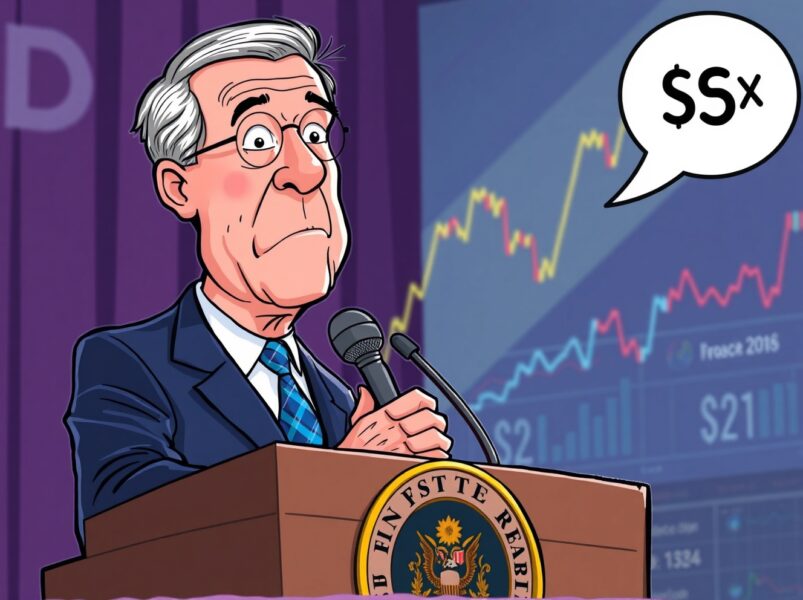
Jerome Powell’s Press Conference: Crucial Insights Unveiled for the Market’s Future

Jerome Powell’s Press Conference: Crucial Insights Unveiled for the Market’s Future

BitcoinWorld Jerome Powell’s Press Conference: Crucial Insights Unveiled for the Market’s Future The financial world, including the dynamic cryptocurrency market, often hangs on every word from the Federal Reserve. Recently, Jerome Powell’s press conference following the Federal Open Market Committee (FOMC) meeting concluded, leaving investors and analysts dissecting his remarks for clues about the future economic direction. This event is always a pivotal moment, shaping expectations for inflation, interest rates, and the overall stability of global markets. What Were the Key Takeaways from Jerome Powell’s Press Conference? During Jerome Powell’s press conference, the Fed Chair provided an update on the central bank’s monetary policy decisions and its economic outlook. His statements often reiterate the Fed’s dual mandate: achieving maximum employment and stable prices. This time was no different, with a strong emphasis on managing persistent inflation. Key points from the recent discussion included: Inflation Control: Powell emphasized the Fed’s unwavering commitment to bringing inflation back down to its 2% target. He reiterated that the fight against rising prices remains the top priority, even if it entails some economic slowdown. Interest Rate Policy: While the Fed’s stance on future interest rate adjustments was discussed, the path remains data-dependent. Powell indicated that decisions would continue to be made meeting-by-meeting, based on incoming economic data. Economic Projections: The updated Summary of Economic Projections (SEP) offered insights into the Fed’s forecasts for GDP growth, unemployment, and inflation. These projections help market participants gauge the central bank’s expectations for the economy’s trajectory. Quantitative Tightening (QT): The ongoing process of reducing the Fed’s balance sheet, known as quantitative tightening, was also a topic. This reduction in liquidity in the financial system has broad implications for asset prices. How Did Jerome Powell’s Remarks Impact Cryptocurrency Markets? The conclusion of Jerome Powell’s press conference often sends ripples through traditional financial markets, and cryptocurrencies are increasingly sensitive to these macroeconomic shifts. Digital assets, once thought to be uncorrelated, now frequently react to the Fed’s monetary policy signals. Higher interest rates, for instance, tend to make riskier assets like cryptocurrencies less attractive. This is because investors might prefer safer, interest-bearing investments. Consequently, we often see increased volatility in Bitcoin (BTC) and Ethereum (ETH) prices immediately following such announcements. The tightening of financial conditions, driven by the Fed, reduces overall liquidity in the system, which can put downward pressure on asset valuations across the board. However, some argue that this growing correlation signifies crypto’s increasing integration into the broader financial ecosystem. It suggests that institutional investors and mainstream finance are now paying closer attention to digital assets, treating them more like other risk-on investments. Navigating the Economic Landscape After Jerome Powell’s Press Conference For cryptocurrency investors, understanding the implications of Jerome Powell’s press conference is crucial for making informed decisions. The Fed’s policy trajectory directly influences the availability of capital and investor sentiment, which are key drivers for crypto valuations. Here are some actionable insights for navigating this environment: Stay Informed: Regularly monitor Fed announcements and economic data releases. Understanding the macroeconomic backdrop is as important as analyzing individual crypto projects. Assess Risk Tolerance: In periods of economic uncertainty and tighter monetary policy, a reassessment of personal risk tolerance is wise. Diversification within your crypto portfolio and across different asset classes can mitigate potential downsides. Focus on Fundamentals: While market sentiment can be swayed by macro news, projects with strong fundamentals, clear use cases, and robust development teams tend to perform better in the long run. Long-Term Perspective: Cryptocurrency markets are known for their volatility. Adopting a long-term investment horizon can help weather short-term fluctuations driven by macro events like Fed meetings. The challenges include potential continued volatility and reduced liquidity. However, opportunities may arise from market corrections, allowing strategic investors to accumulate assets at lower prices. In summary, Jerome Powell’s press conference provides essential guidance on the Fed’s economic strategy. Its conclusions have a profound impact on financial markets, including the dynamic world of cryptocurrencies. Staying informed, understanding the nuances of monetary policy, and maintaining a strategic investment approach are paramount for navigating the evolving economic landscape. The Fed’s actions underscore the interconnectedness of traditional finance and the burgeoning digital asset space. Frequently Asked Questions (FAQs) Q1: What is the Federal Open Market Committee (FOMC)? A1: The FOMC is the monetary policy-making body of the Federal Reserve System. It sets the federal funds rate target and directs open market operations, influencing the availability of money and credit in the U.S. economy. Q2: How do the Fed’s interest rate decisions typically affect cryptocurrency markets? A2: Generally, when the Fed raises interest rates, it makes borrowing more expensive and reduces liquidity in the financial system. This often leads investors to shy away from riskier assets like cryptocurrencies, potentially causing prices to decline. Conversely, lower rates can stimulate investment in riskier assets. Q3: What does “data-dependent” mean in the context of Fed policy? A3: “Data-dependent” means that the Federal Reserve’s future monetary policy decisions, such as interest rate adjustments, will primarily be based on the latest economic data. This includes inflation reports, employment figures, and GDP growth, rather than a predetermined schedule. Q4: Should I change my cryptocurrency investment strategy based on Jerome Powell’s press conference? A4: While it’s crucial to be aware of the macroeconomic environment shaped by Jerome Powell’s press conference, drastic changes to a well-researched investment strategy may not always be necessary. It’s recommended to review your portfolio, assess your risk tolerance, and consider if your strategy aligns with the current economic outlook, focusing on long-term fundamentals. If you found this analysis helpful, please consider sharing it with your network! Your insights and shares help us reach more readers interested in the intersection of traditional finance and the exciting world of cryptocurrencies. Spread the word! To learn more about the latest crypto market trends, explore our article on key developments shaping Bitcoin price action. This post Jerome Powell’s Press Conference: Crucial Insights Unveiled for the Market’s Future first appeared on BitcoinWorld.
Paylaş
Coinstats2025/09/18 16:25
Jordan to issue project tenders worth $10bn in 2026

Jordan to issue project tenders worth $10bn in 2026

Jordan plans to issue tenders for almost $10 billion in national projects before the end of 2026, the country’s prime minister has said. The government is working
Paylaş
Agbi2025/12/12 15:40
