Pakistan Begins Crypto Overhaul With Preliminary Exchange Approvals
Bitcoin Magazine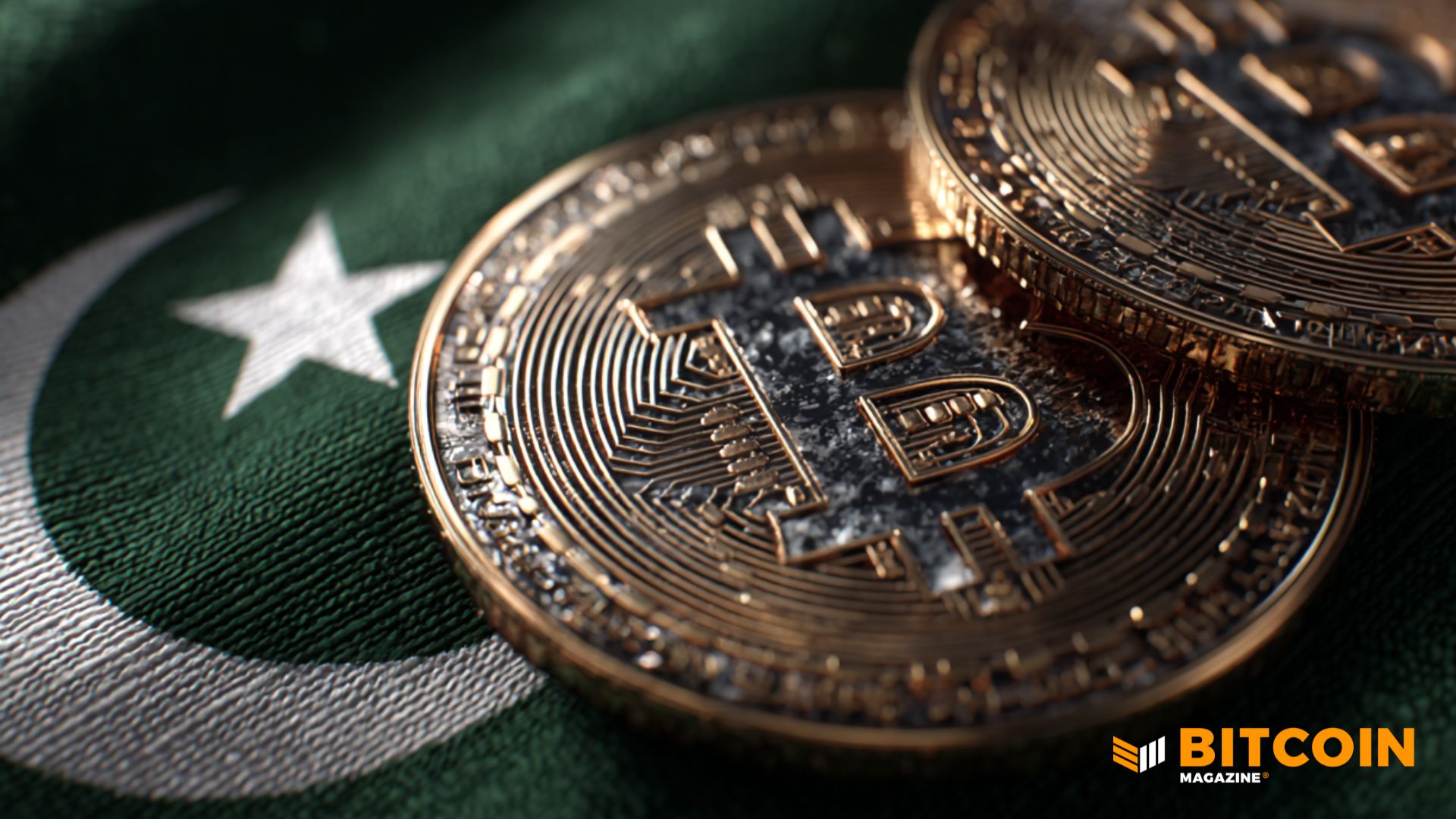
Pakistan Begins Crypto Overhaul With Preliminary Exchange Approvals
Pakistan is moving to formalize its place in the global digital-asset economy, signing a memorandum of understanding with Binance to explore the tokenization of up to $2 billion in state-owned assets while granting early regulatory clearances to both Binance and HTX.
Together, the initiatives reflect one of the country’s most ambitious pushes yet to merge sovereign finance with blockchain-based infrastructure.
According to Pakistan’s finance ministry, the MoU with Binance will allow the government to assess tokenising sovereign bonds, treasury bills, and commodity reserves — including oil, gas, and metals — as it seeks new tools to boost liquidity and expand market reach.
Tokenization would create digital representations of real-world assets on blockchain networks, potentially widening investor access and supporting secondary-market efficiency.
Finance Minister Muhammad Aurangzeb described the agreement as a signal of Pakistan’s reform trajectory and a step toward a “long-term partnership” aimed at drawing global participation into the country’s debt and commodity markets, according to Reuters.
Binance founder Changpeng “CZ” Zhao called the MoU an important marker for both Pakistan and the broader blockchain sector, suggesting it clears the way for deeper experimentation with digital asset rails at the sovereign level.
Pakistan is embracing bitcoin and crypto
The tokenisation initiative comes in parallel with a regulatory milestone. Pakistan’s newly formed Virtual Assets Regulatory Authority (PVARA) has issued No Objection Certificates (NOCs) to Binance and HTX after a multi-agency review of each exchange’s governance, compliance, and risk-management systems.
The NOCs allow both firms to register with the Financial Monitoring Unit’s goAML platform, begin local incorporation, and prepare full license applications once the country finalizes its virtual-asset framework.
PVARA emphasized that the early clearances are not operating licenses but the first step in a phased, FATF-aligned path toward full authorization.
“Strong governance, AML and CFT compliance remain central as Pakistan builds a trusted digital-asset ecosystem,” the regulator said. Chair Bilal bin Saqib added that compliance rigor—not size—will determine which exchanges advance through the licensing process.
The developments are part of a broader digital-finance overhaul that the country has compressed into a few months.
That includes establishing PVARA, forming the Pakistan Crypto Council (PCC), drafting licensing and taxation rules, and laying groundwork for a central bank digital currency pilot in 2025.
The country has also signed a letter of intent with U.S.-based World Liberty Financial to explore stablecoin infrastructure and tokenised financial rails.
Saqib’s thoughts at Bitcoin MENA
Saqib, who serves as minister of state for digital assets, has repeatedly argued that Pakistan must treat Bitcoin, tokenization, and blockchain as foundational elements of future financial architecture.
At the Bitcoin MENA conference, Saqib argued that bitcoin serves as a practical tool for millions of Pakistanis rather than a speculative bet.
His case was grounded in everyday economic realities. With the Pakistani rupee losing more than half its value in five years, he said people aren’t seeking lessons in monetary theory — they’re looking for protection.
For many, “bitcoin is not theory, it’s a relief,” offering a hedge against inflation driven by political decisions and chronic currency mismanagement.
Access is the other major issue. Pakistan has a population of about 240 million, yet more than 100 million people remain unbanked. In that context, Bin Saqib said bitcoin provides a pathway to basic financial services that the traditional system has failed to deliver.
At a fireside chat, Saqib tied these grassroots use cases to a broader national strategy. Pakistan, he said, is not trying to “chase the future” but to build a new one. With roughly 70% of the population under the age of 30, the country cannot rely on outdated economic models.
Saqib said Bitcoin and blockchain-based payment rails enable Pakistani workers to get paid globally without friction, delays or excessive fees. Digital assets, and bitcoin in particular, are being viewed as infrastructure rather than speculation — new financial rails for the Global South.
This post Pakistan Begins Crypto Overhaul With Preliminary Exchange Approvals first appeared on Bitcoin Magazine and is written by Micah Zimmerman.
Ayrıca Şunları da Beğenebilirsiniz

Visa Expands USDC Stablecoin Settlement For US Banks
Nasdaq Company Adds 7,500 BTC in Bold Treasury Move